Location
Mount Vernon, WA 98274
Location
Mount Vernon, WA 98274

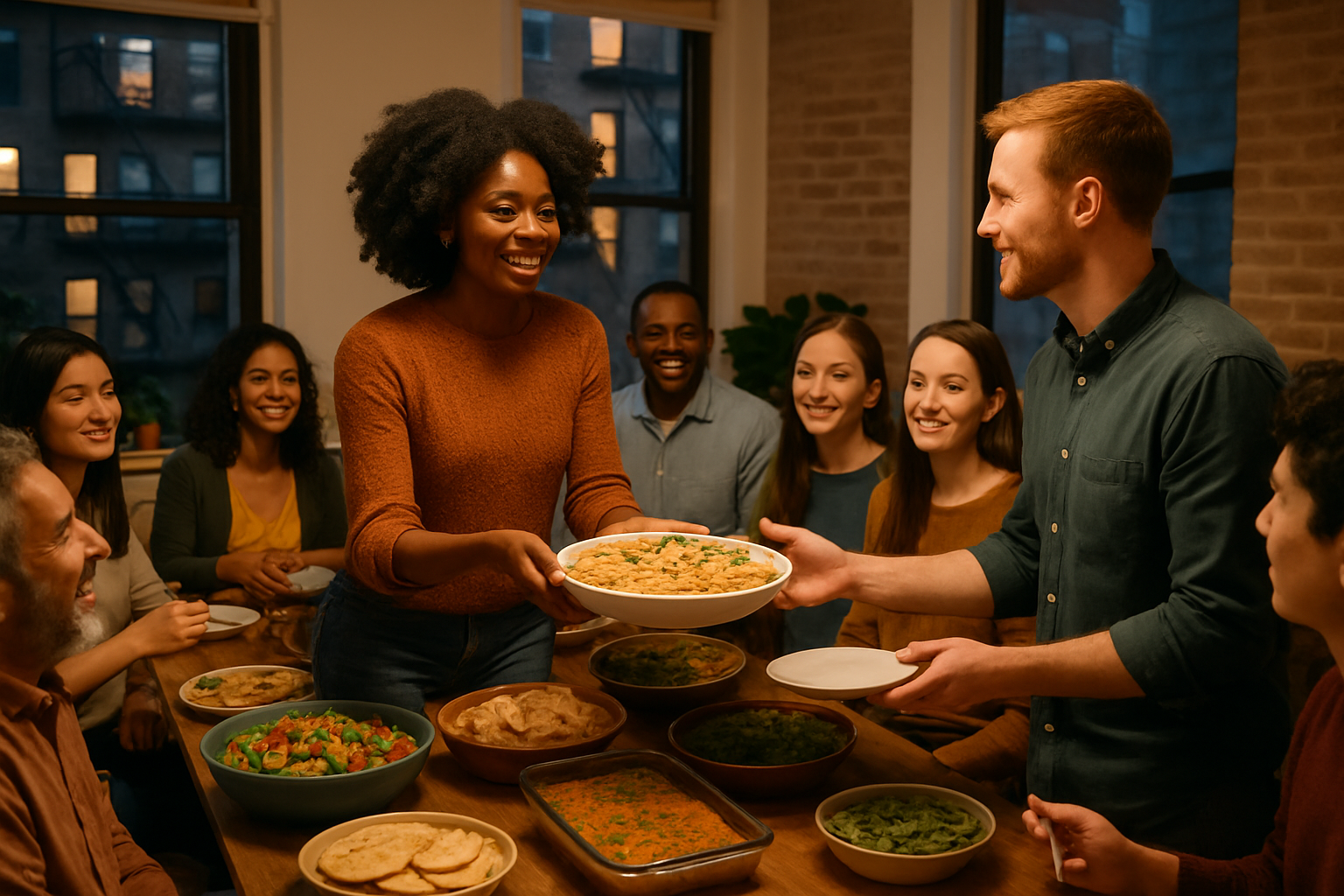
In cities around the world, informal networks of shared meals are stitching together neighbors who once felt like strangers. Potluck trails-where hosts open their doors to circulate dishes and conversation-are emerging as a low-cost, high-impact way to deepen social trust, reduce food waste, and celebrate cultural heritage.
In an old row house turned community hub, the front porch glows with lanterns as plates of kimchi pancakes, spiced lentil stew, and artisanal sourdough migrate from kitchen to sidewalk. A group of strangers unfolds lawn chairs around a folding table, passing bowls of salad and stories in equal measure. This scene is part of a growing movement known as the “potluck trail,” a grassroots approach to building neighborhood ties one shared dish at a time.
Unlike traditional block parties or large festivals, potluck trails thread through multiple homes, backyards, or communal spaces in a single evening. Participants embark on a walking route mapped out by organizers, stopping at each location to sample homemade specialties and swap personal anecdotes. In doing so, they cross thresholds-not just of front doors, but of cultural divides and social silos that often keep urban residents feeling isolated.
The concept traces its roots to supper clubs of mid-century cities, clandestine dining rooms where guests paid a modest fee for home-cooked meals and live music. By the early 2000s, food walkers and supper exchanges in Europe experimented with rotating locations and open-invitation formats. Today’s potluck trails swap formal tickets for digital sign-ups and leverage neighborhood listservs or social-media maps, but the core idea remains: intimate gatherings in unexpected places forge lasting bonds.
In one of New York City’s trendiest yet surprisingly tight-knit corners, Brooklyn’s Bedford-Stuyvesant Potluck Passage launched last spring with just eight hosts. By autumn it had grown to thirty stops across two contiguous blocks. “We wanted something more flexible than a block party and more relaxed than a supper club,” explains the initiative’s volunteer coordinator. “People sign up to host or attend, and we balance dishes so that everyone brings something unique and dietary needs are met.”
The results have been striking. According to a 2022 survey by the Urban Social Trust Foundation, neighborhoods that host monthly community meals report a 23 percent drop in self-reported loneliness and a 17 percent increase in volunteer activity for local causes. Residents cite renewed trust in neighbors and an eagerness to launch related micro-projects-from shared tool libraries to free street concerts.
In Berlin’s Kreuzberg district, organizers of the “Flavour Crawl” employ an open-source mapping app to chart each stop. Guests receive a QR code that reveals the night’s menu and logistics: allergy alerts, whether there’s space for strollers, and the approximate crowd size. Hosts range from young families eager to broaden kids’ taste buds to retired neighbors who revive heirloom recipes. One septuagenarian host invites guests to try her grandmother’s cabbage rolls, her hands shaking slightly as she ladles out sauce. “It feels like passing on a legacy,” she says, eyes gleaming.
Planning a potluck trail is deceptively simple but demands clear coordination. Organizers typically distribute an online form asking prospective hosts about location accessibility, seating capacity, and kitchen facilities. Attendees register for specific stops and indicate their dish. By capping numbers at each site, the system prevents overcrowding while ensuring hosts can keep the conversation flowing rather than manage a crowd.
Safety and liability can loom large in multi-home events. Many grassroots groups adopt basic guidelines: hosts post clear signage, participants carry ID, and simple liability waivers are shared digitally in advance. Some municipalities have begun to recognize these micro-gatherings as low-risk cultural events, waiving permit fees for groups under fifty attendees. In Seattle, a community liaison reports a 40 percent increase in permit applications for walking dinners, most of which qualify for a nominal flat rate.
Sustainability is baked into the potluck trail ethos. Single-use plastics are discouraged or banned outright. Attendees bring reusable plates, cups, and utensils-often swapping items if someone forgets. Leftover food is packaged in compostable containers labeled with host instructions: donate to a neighboring shelter, compost in a communal bin, or stash in a shared pantry. In cities where food waste accounts for more than one-fifth of municipal trash, these small acts add up.
Digital tools have transformed potluck trails from analog curiosities into scalable models. Shared spreadsheets auto-organize dish categories-appetizers, mains, sides, desserts-to prevent repetition. Chat groups facilitate last-minute swaps: someone needs to cover vegan options, another seeks a ride to the first stop. Geolocation pins help newcomers navigate unfamiliar streets under softly lit house numbers. Together, these platforms merge the spontaneity of potlucks with the efficiency of event-management apps.
At the heart of each evening lies emotional resonance. Consider the story of a university student far from home who nervously signed up to bring biryani to a trail in Toronto. She arrived as the lone South Asian face among neighbors dishing out tacos, quiches, and falafel. By the time the final stop rolled around-a family’s backyard barbecue-she was swapping secrets about study halls and late-night library sessions. “It was the first time I felt truly welcomed in months,” she recalls.
In Dublin, a shearling-coated retiree nearly canceled her host slot after a winter storm damaged power lines. Driven by memories of post-war community kitchens, she rigged a makeshift generator and invited guests to dine by candlelight. The gathering raised funds to repair a local playground, demonstrating how a simple meal can seed collective action.
Potluck trails also tie into broader placemaking currents. Urban planners and community developers have long sought to nurture “third places”-social environments separate from home (first place) and work (second place). Cafés, parks, and libraries fill that role, but potluck trails inject fresh energy by activating private thresholds. They blur the line between host and guest, professional organizer and participant, fostering a sense of shared ownership.
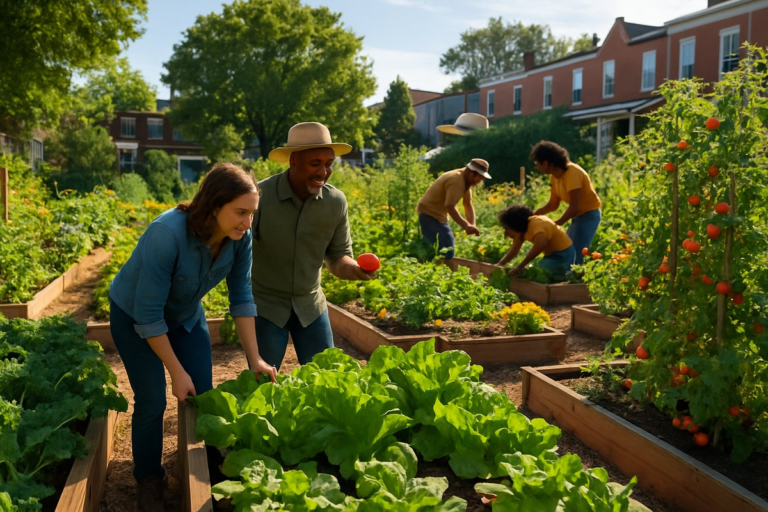
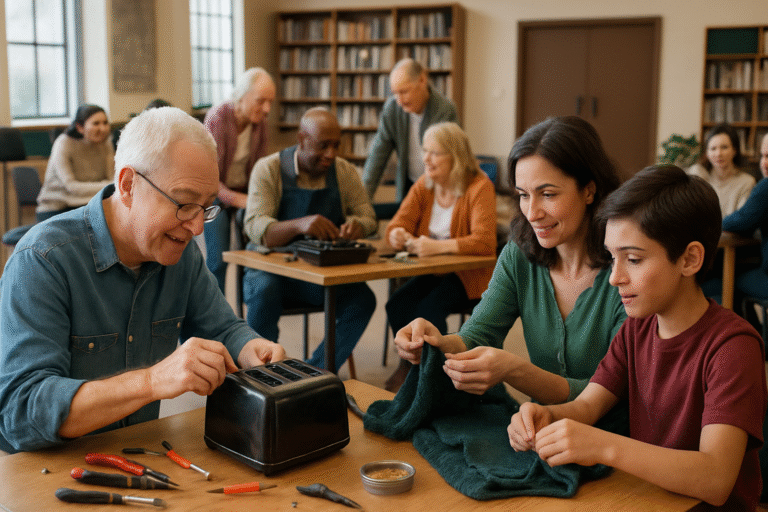
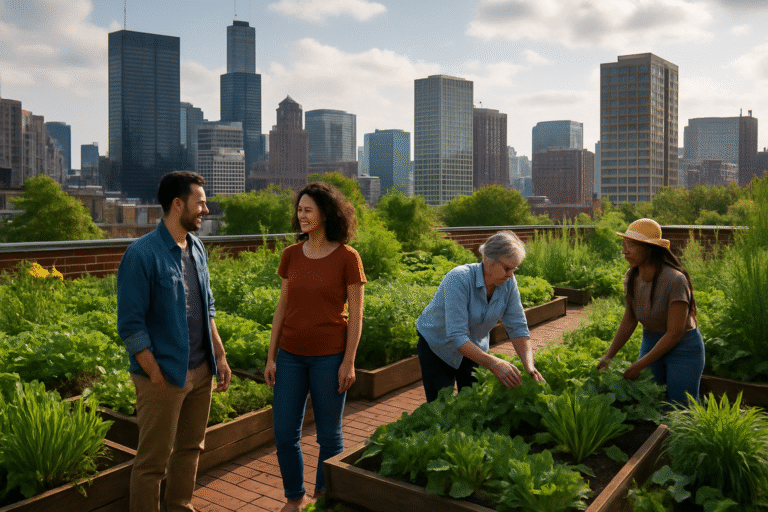
The adaptability of the format has spawned thematic trails: zero-waste editions prioritize upcycled decor and ferment-only menus; intergenerational routes showcase recipes passed down by elders alongside student-chef creations; “seasonal harvest” trails celebrate home-grown produce and rooftop foraging. In each iteration, the catalytic principle holds: shared food invites shared stories.
Experts say the ripple effects extend far beyond a single evening. Neighbors who once brushed past each other at crosswalks begin to share baking tips or borrow ladders. Community Facebook groups light up with ride-share offers and shared-garden updates. A routine walk down the block becomes an opportunity to say hello, ask for advice, or trade surplus zucchini.
Starting your own potluck trail requires little more than curiosity, digital coordination, and a handful of willing hosts. Begin by canvassing a small cluster of homes or apartments, set a clear date and time window, and establish communication channels for dish sign-ups and dietary notes. Recruit a volunteer to map the route and handle permissions, and share simple guidelines on safety, waste reduction, and respect for personal spaces.
When dusk settles and the last guest sips mint tea on a neighbor’s stoop, the trail’s true legacy emerges: a momentary web of connections that can outlast burnt cookies or spilled punch. In cities facing rising isolation, these flavor-filled pathways remind us that the simplest ingredients-food, curiosity, empathy-still yield the richest recipes for community.