Location
Mount Vernon, WA 98274
Location
Mount Vernon, WA 98274

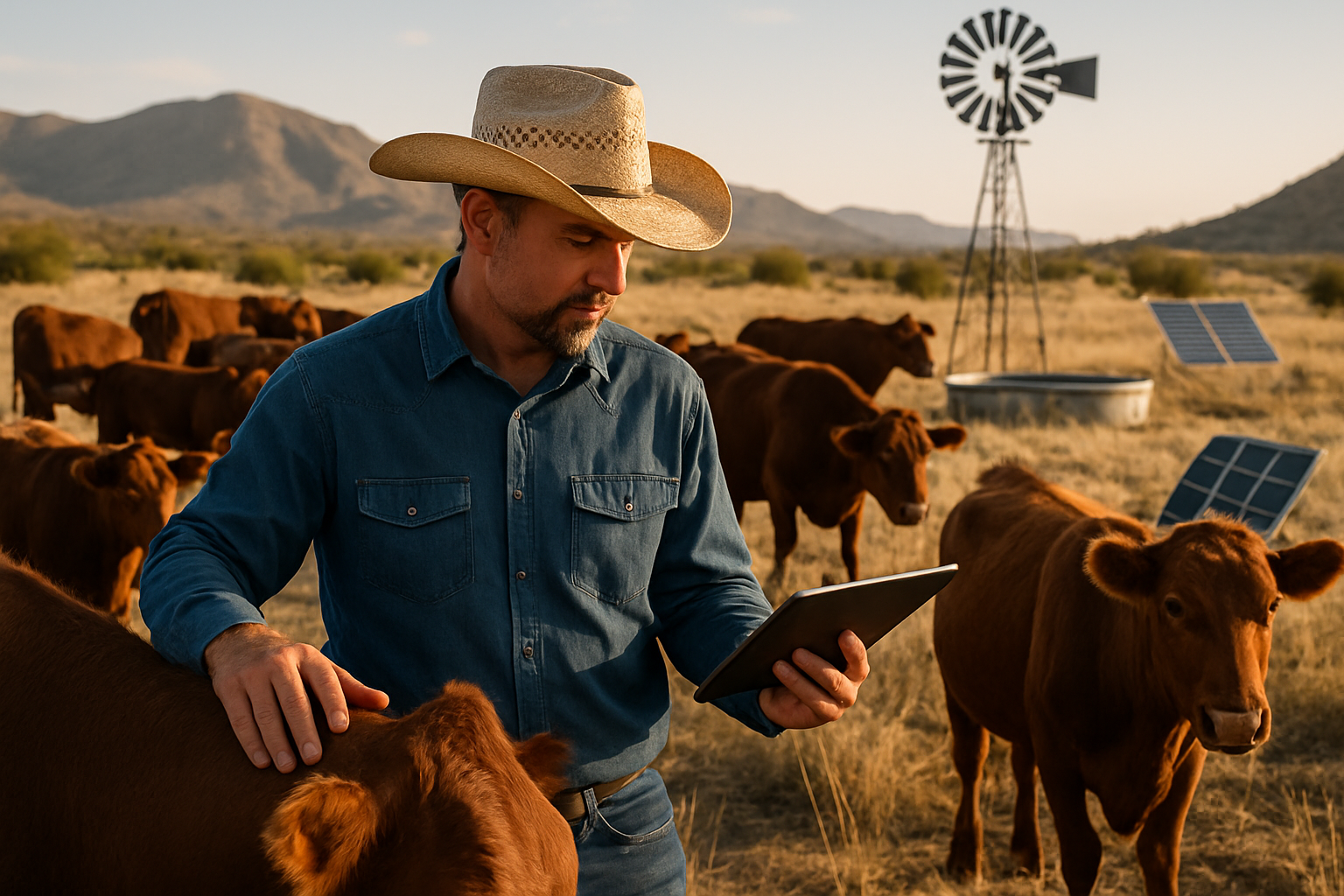
Farmers and ranchers are forging a new path that blends time-honored practices with cutting-edge tools. From regenerative grazing in arid landscapes to data-driven herd health and renewable-powered water systems, the industry is navigating climate pressures and market demands with resilience and creativity.
Across rolling fields and expansive grazing lands, a quiet revolution is unfolding. Farmers and livestock managers find themselves at a pivotal moment: storms growing fiercer, commodity prices shifting unpredictably and consumers demanding higher standards for sustainability and animal welfare. Long-standing traditions still anchor daily routines, but they are increasingly interwoven with technology, cooperative alliances and climate-smart strategies. What emerges is a new agricultural tapestry where the stability of generations meets the ingenuity of the digital age.
On a dairy farm just outside a Midwestern town, Cedar Springs Dairy’s herd gently ambles toward a new-generation milking parlor. The stainless steel stalls hum with automated milkers that gently attach themselves to cows’ udders, collecting data on yield, milk composition and even early indicators of mastitis. Meanwhile, portable fencing is rearranged every few days. Rotational grazing has replaced static paddocks, allowing pastures to rest and regrow in cycles. The combination of robotics and regenerative grazing has driven both animal health and productivity to levels the family operation once thought unattainable.
Feed innovation has also found its way into the trough. Traditional corn-soy blends remain a staple, but on-farm research plots now host cover crops like clover and winter rye. These plants not only protect soil but also deliver protein-rich forage during the off-season. Insect-protein trials-utilizing black soldier fly larvae fed on food-waste byproducts-have shown promise as a sustainable supplement. By closing nutrient loops and reducing reliance on imported grain, farms both shrink their carbon footprint and secure more stable feed costs.
Precision farming tools extend well beyond tractors guided by GPS. Soil moisture probes monitor subsurface conditions in real time, triggering automated drip-irrigation systems in arid regions. Satellite imagery, combined with drone surveys, maps pasture biomass and flags nutrient deficiencies. When a sensor network detects a cold spell heading into calving season, data-driven alerts ensure calf shelters are pre-heated and bedding is topped up. This integration of remote sensing and responsive management keeps herds healthier and farms more resilient to extreme weather.
Wellness isn’t limited to soil and stock-farm families are embracing mental health and animal welfare initiatives on the ground. Virtual veterinary clinics offer tele-consultations for livestock emergencies, minimizing travel stress for both animals and caretakers. Peer-to-peer support groups meet online to discuss labor timing, equipment breakdowns and drought fears. As stress levels among rural communities rise, local cooperatives have brought in counselors who understand the unique pressures of farming life. A holistic approach to wellbeing ensures that both animals and their stewards thrive.
Shift the lens to the semi-arid plains of the Texas Panhandle, where a multi-generational cattle outfit pioneered mob grazing to rehabilitate overgrazed rangeland. By concentrating herds for short intervals and then moving them onto fresh pasture, the operation captured rainwater more effectively and restored native grasslands. On days when temperatures crest above 100°F, portable shade structures and solar-powered misting systems reduce animal heat stress. This hands-on care, combined with an eye toward ecosystem health, has reversed decades of topsoil loss and deepened community interest in regenerative ranching.
Water management often dictates the success of livestock enterprises in dryland regions. Solar-powered pumps elevate groundwater to troughs outfitted with level sensors, ensuring animals never run dry. During winter freezes, insulated trough heaters-fed by excess renewable energy-prevent ice formation. Some ranchers have even installed small on-site batteries to capture midday solar surpluses for after-hours operation. As fuel and electricity prices fluctuate, renewable systems offer long-term cost stability and reduced greenhouse emissions.
Healthy soil beneath hooves is every bit as crucial as clean water in the trough. On mixed farms, no-till practices and cover-cropping have surged, encouraged by both government soil-carbon incentives and farm-level economics. The incorporation of biochar-charcoal derived from agricultural waste-improves water retention and locks up carbon for centuries. Green manures, like hairy vetch, fix nitrogen naturally and break pest cycles. Over time, these practices have boosted infiltration, lowered input costs and created a living soil web that supports both crops and forage.
To share knowledge and pool resources, a rising number of producers are forming data cooperatives. Member farms contribute anonymized records on yield, feed ratios and animal health. Analytics platforms then generate benchmarking reports that help participants gauge their performance against peers. Bulk purchasing agreements on equipment and inputs further reduce costs. The cooperative ethos has a double payoff: lower expenses and richer insights that no single farm could generate on its own.
Financing new ventures can be a hurdle, but innovative capital streams are stepping in. Carbon-credit markets now accept verifiable soil-carbon sequestration and methane-reduction practices. Small landholders can bundle credits and access green loans tailored for climate-smart agriculture. Impact investors, drawn by a blend of environmental returns and community resilience, fund pilot projects in rotational grazing, renewable energy and water conservation. These instruments shift risk away from family balance sheets and accelerate the adoption of sustainable methods.
Meanwhile, a wave of younger and more diverse entrants is reshaping farm culture. Women-led livestock programs are introducing mobile slaughter units to ensure local meat processing. Urban-migrant entrepreneurs are launching mini-ranches atop former industrial sites, using hydroponic pastures and rotating micro-herds of micro-livestock like ducks and goats. Extension services have adapted by offering evening workshops and bilingual materials. The sector’s new faces bring fresh ideas and demand an industry that’s as inclusive as it is forward-looking.
As this mosaic of innovation and tradition coalesces, farm and livestock management is reimagining itself for the next generation. The tightrope between time-tested know-how and emerging technology demands nimble thinking and community collaboration. Even as pressures from climate volatility and global markets intensify, producers are proving that resilience grows where curiosity blooms. Across fields and fences, a new chapter is taking shape-one that balances soil health, animal welfare, economic viability and the simple joy of working the land.
Tomorrow’s barns might hum with sensors and solar panels, but the heartbeat remains the same: a commitment to nurture life from seed to steak. By weaving together regenerative approaches, digital insights and cooperative spirit, the industry charts a future where farms sustain people and planet alike.