Location
Mount Vernon, WA 98274
Location
Mount Vernon, WA 98274

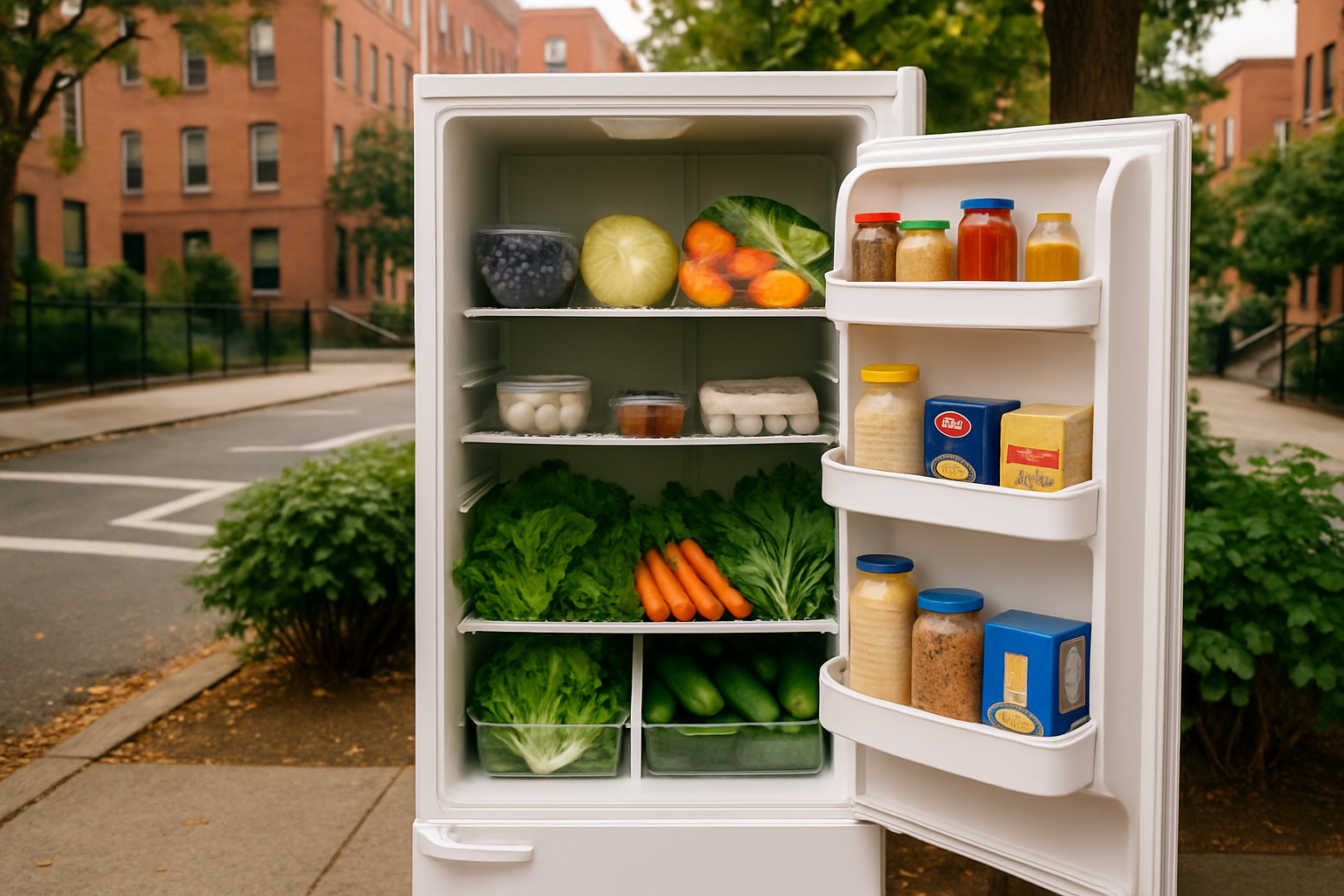
Across cities large and small, unattended refrigerators stocked by neighbors offer fresh food, pantry staples and shared purpose. The community fridge movement is transforming public space into sites of mutual aid, reshaping how urban residents see one another and their own power to address food insecurity.
Walk past a nondescript corner in many neighborhoods today and you might spot a refrigerator humming softly beneath a protective awning. Its doors are left unlocked, its contents free for anyone in need. This is the latest frontier in grassroots mutual aid: the community fridge. Born of a simple premise-pool surplus food, let anyone take what they need-these public refrigerators have sprouted in alleyways, churchyards and storefronts from Brooklyn to Portland, London to Manila.
The origins of community fridges trace back to small-scale charitable food shelves and leftover-sharing platforms, but the first true public refrigerators appeared in Philadelphia around 2016. Activists installed a repurposed fridge on a street corner, stocking it with fresh fruit, milk and bread collected from local bakeries and supermarkets. The experiment was a revelation, demonstrating that neighbors would both give and take responsibly when trusted rather than policed.
In the years since, more than a thousand community fridges have launched worldwide, driven by local volunteers, nonprofits and even concerned business owners. Their locations range from busy commercial strips to quiet residential blocks. All operate by a few core guidelines: keep the fridge clean, restock regularly, check expiry dates and invite participation. A simple sticker or hand-painted sign marks these refrigerators as shared resources rather than private property or neglected waste.
What makes community fridges especially powerful is their dual role as emergency food distribution points and community gathering spots. Around each installation, lists of donated items often sit alongside chalkboards where people leave notes of encouragement, recipe ideas or requests. Some volunteers organize weekly “fridge walks,” checking on supplies, wiping down shelves and talking with passersby. In neighborhoods where distrust often segregates populations, these visits become informal conversations that build empathy.
Take the case of one small fridge tucked beside a neighborhood market in a lower-income part of Cleveland. On its first day, a senior citizen unloaded a box of homegrown tomatoes. By afternoon, a young single mother had taken two zucchinis and a packet of rice. Over the next few weeks, neighbors contributed eggs, fresh loaves and even ready-made meals, while people experiencing food insecurity looked forward to finding a pastry or sandwich. Local youths began leaving colorful drawings on the sidewalk in front of it, turning a plain corridor into a shared canvas. According to the volunteer team, theft or vandalism has been nearly nonexistent-proof that trusting people can be a self-fulfilling prophesy.
Challenges do arise. Maintaining refrigeration equipment in outdoor settings demands regular electricity supply, protective enclosures and periodic repairs. Many organizers rely on donated power from nearby businesses or tap into municipal improvement programs. In some cities, zoning boards and health departments raised concerns about food safety and liability. Advocates responded by formalizing guidelines, securing liability waivers and forging partnerships with food safety experts who train volunteers to monitor temperatures and handle perishables properly.
Another hurdle is the risk of imbalance: affluent neighborhoods often see surpluses flow in, while high-need areas may be bypassed. To address this, networks of community fridge stewards share data on usage patterns and move mobile units to underserved zones. Pop-up refrigerators aboard trailers have been piloted in migrant neighborhoods and areas devastated by natural disasters, where infrastructure may be compromised. These rapid-response units can serve hundreds of meals within hours, proving invaluable in moments of crisis.
Beyond providing food, community fridges carry symbolic weight. They challenge the assumptions that underpin conventional charity-hierarchies, bureaucratic control and stigma. Instead of requiring proof of income, paperwork or membership, fridge projects embrace an open-door policy: take what you need, give what you can, leave a note if you like. This reciprocity fosters dignity and mutual respect in ways that line-by-line screening processes often cannot.
Academic studies of urban mutual aid efforts underscore the mental health benefits of such practices. By contributing to the greater good, volunteers report lower stress levels and a stronger sense of purpose. Recipients often describe relief not only from hunger but from social isolation. In cities where loneliness is classified as a public health concern, community fridges serve as informal meeting points, where a quick chat beside a milk carton can spark lasting friendships.
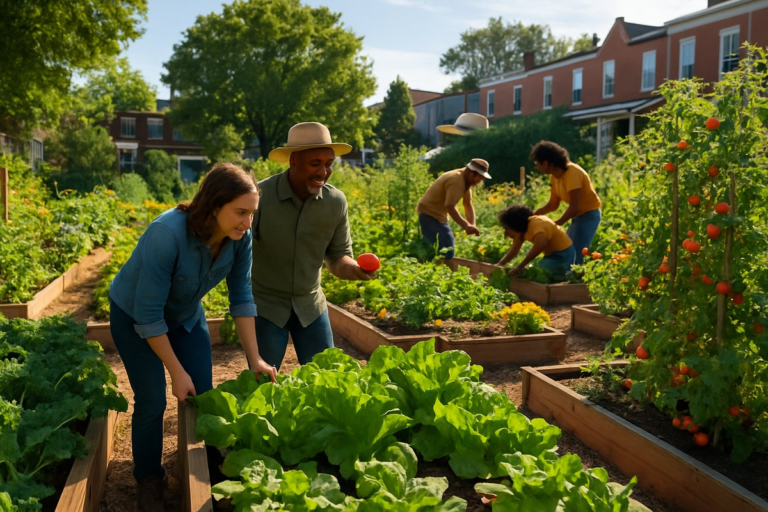
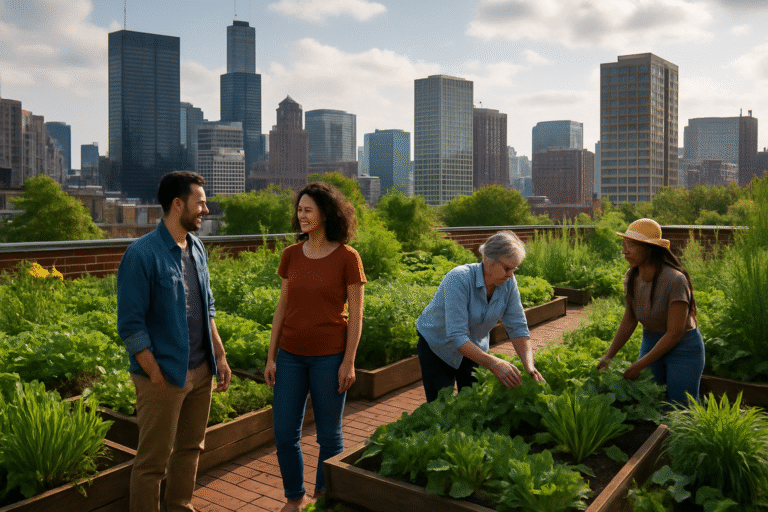
Sustainability also plays a role. Food waste accounts for a significant portion of greenhouse gas emissions within the global food chain. Redirecting perfectly edible produce and packaged goods from landfills to refrigerators helps curb emissions and reduce landfill burdens. Some backyard gardeners and urban farms now donate surplus harvests directly to fridge networks, closing loops in the local food web.
On a broader scale, the movement has inspired policymakers to rethink traditional welfare models. Several cities are piloting public-private partnerships that fund stewardship stipends for fridge keepers, cover utility costs and streamline permit processes. In part, these shifts reflect growing recognition that small, community-driven solutions can outpace large bureaucracies when it comes to rapid adaptation and localized trust.
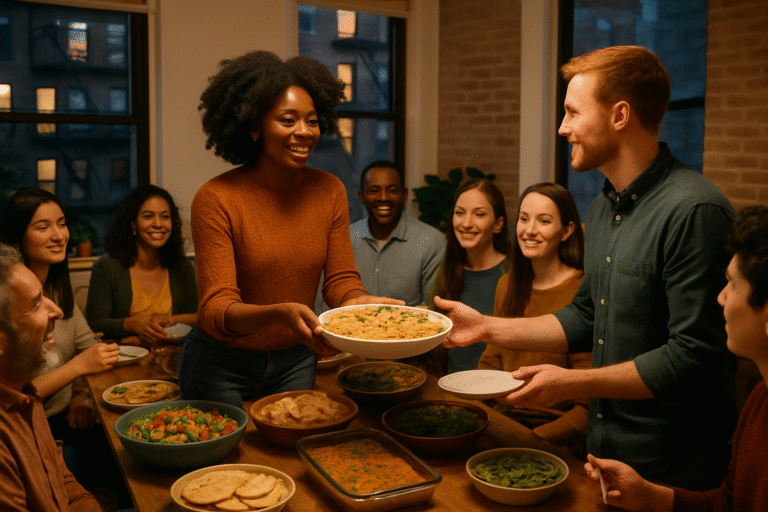
Still, the future of community fridges depends on ongoing community engagement. Organizers stress the importance of diversifying contributions, so refrigerators remain stocked with proteins, grains, produce and culturally relevant items. In multicultural neighborhoods, volunteers consult with residents to understand dietary needs-halal, vegan, gluten-free or traditional staples. This cultural sensitivity strengthens buy-in and ensures the resource is truly for everyone.
Education and outreach amplify impact. Some groups pair fridges with free cooking demos or nutrition workshops. A bilingual volunteer team in a border town sets up a portable fridge at weekend markets, alongside a chef who demonstrates how to turn leftover vegetables into hearty stews. Recipe cards, QR codes linking to online tutorials and community-curated cookbooks circulate among fridge users, making healthy eating both accessible and inventive.
Critics caution against viewing community fridges as a substitute for long-term solutions to poverty and hunger. Indeed, advocates agree that systemic change-living wages, affordable housing, robust public assistance-must accompany mutual aid. But they argue that until those broader changes take hold, community refrigerators provide a vital band-aid that empowers neighbors to fill gaps on their own terms.
In a world contending with supply chain shocks, income inequality and displacement, grassroots projects like community fridges remind us that social cohesion can be as nourishing as any meal. They underscore a simple truth: sharing resources builds trust, and when people trust their neighbors, they build resilience together.
Whether in a sprawling metropolis or a small town plaza, the sight of fruits, vegetables and pantry staples left freely available challenges the idea that aid must be centralized. It invites everyone-volunteers and recipients alike-to redefine generosity not as a one-way transaction, but as an ongoing conversation. In refrigerators that hum quietly on stoops and sidewalks, we see a vision of community in action: people looking out for each other, one open door at a time.
As the movement grows, so do the innovations: solar-powered units, refrigerated food trucks and neighborhood apps that signal when fridges need restocking. Each advance builds on the same foundation of mutual trust and shared responsibility. If we learn anything from this global experiment, it is that caring for one another need not wait for top-down decrees. Sometimes, all it takes is an empty fridge, an open heart and a willingness to fill it together.