Location
Mount Vernon, WA 98274
Location
Mount Vernon, WA 98274


A new wave of indie studios and grassroots gaming communities is redefining how we play, connect, and create. Lean teams fueled by sustainability values and emotional storytelling are turning small-scale launches into global ripples.
The gaming world is shifting. While blockbuster studios continue to dominate headlines, a constellation of tiny, passionately run indie teams is quietly lighting up new pathways for players and creators alike. These micro-collectives-often formed around a shared love of narrative, art, or social impact-are turning the traditional gaming model on its head. Underfunded but undeterred, they’re launching projects that prize emotional resonance over explosion counts and intimate experiences over hyper-realistic graphics.
At last year’s Pulse Festival of Play, a volunteer-run showcase hosted in repurposed loft spaces across three cities, more than fifty micro-studios unveiled prototypes ranging from hand-drawn puzzle adventures to VR meditation gardens. Attendees described stumbling into hidden rooms, both in the physical venue and within the digital demos, discovering stories about memory, community, and environmental stewardship. One standout was a cooperative strategy game set in a rewilding campaign, where players collaborate to restore biodiversity on a fictional archipelago. The project’s team of four developers, hailing from three continents, crowdfunded the project with precise sustainability pledges: zero-carbon hosting, recycled art prints, and digital-only release options for those keen on reducing waste.
These smaller teams are no longer anomalies. According to recent industry data, nearly 70 percent of games released on major PC storefronts last year were developed by teams of fewer than ten people. Despite representing an overwhelming majority of new titles, indie creators still account for a modest slice of overall industry revenue-yet their cultural impact often eclipses their financial footprint. Games that engage with social topics like mental health, community rebuilding, or collective memory are resonating more powerfully than ever, guiding conversations about what entertainment can-and should-do.
From Sketch to Social Hub
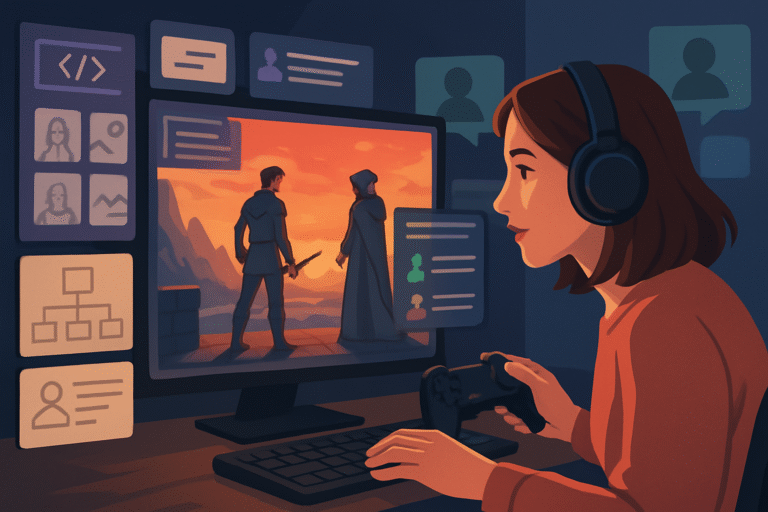
What’s fueling this renaissance? First, powerful open-source and affordable development tools have lowered financial barriers. Engines offering free tiers, asset marketplaces, and collaborative version controls mean artists, writers, and hobby programmers can work asynchronously across time zones. Some micro-teams organize through entirely public Discord servers, where players can directly suggest narrative beats, vote on art styles, or even join playtests in real time. This feedback loop transforms development into a co-creative exercise, boosting trust and fostering deeper player loyalty.
Second, a shift in audience values is clear. Post-pandemic players are craving genuine social connection and mindful moments. They seek games that reward empathy, feature diverse voices, or simply invite a moment of calm in a busy day. Titles like a hand-painted life-simulator that tracks local volunteer hours, or a text-based exploration of intergenerational friendship, have found micro-communities passionate enough to sustain ongoing development via small monthly subscriptions. Such patron-driven models emphasize direct support over mass-market appeal, aligning creative incentives with community needs.
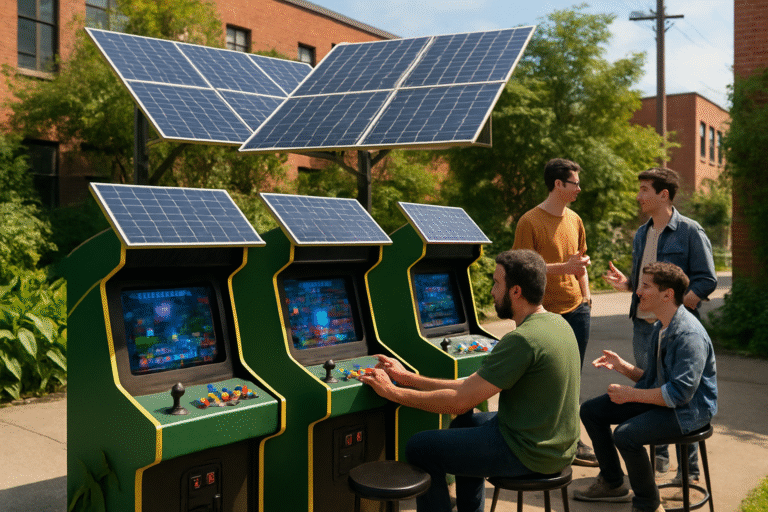
Third, distribution is evolving. Digital storefronts are experimenting with indie-friendly curation: limited-time “handpicked” sections, dev spotlight streams, or revenue-share models that prioritize smaller launches. Meanwhile, physical indie showcases-popup arcades in co-working spaces, traveling gaming trams that park outside college campuses-are connecting digital worlds to tangible social experiences. In one recent example, a mobile gaming bus toured rural libraries, installing local Wi-Fi hotspots and hosting jam sessions where aspiring developers learned to code narrative puzzles in a single afternoon.
Emotional Intelligence as Gameplay
Beyond new development pipelines and distribution channels, these micro-studios are pushing thematic boundaries. Emotional intelligence is no longer relegated to optional side quests or DLC; it’s front and center. Games exploring grief, neurodiversity, and climate anxiety are emerging with mechanics designed around listening, reflection, and community rebuilding rather than combat or point chasing.
One project piloted in a university lab in Scandinavia invites players to navigate a spectral woodland, capturing memories left behind by villagers lost to rising waters. Instead of conventional puzzles, the core mechanic involves tuning a virtual soundscape-layering archival recordings of conversations, songs, and local wildlife. Players who successfully balance ecological echoes unlock narrative fragments that rebuild a digital memorial. The outcome isn’t victory so much as shared remembrance, prompting discussions among friend groups about resilience and environmental stewardship.
Another studio, composed of volunteers from mental-health nonprofits, created a therapeutic role-playing experience that mirrors group therapy sessions. Players choose avatars reflecting their personal journeys-an anxious poet locked in golden chains, a caretaker planting hope seeds-and engage in group challenges focusing on listening, self-advocacy, and peer support. Early research suggests participants report measurable improvements in empathy and social connectedness after just three play sessions.
Scaling Impact While Remaining Nimble
As micro-studios discover new ways to connect with players, they also face familiar pressures: limited budgets, burnout risks, and a crowded marketplace. To stay afloat without sacrificing creative freedom, some teams are experimenting with modular release schedules. Instead of launching full games in one go, they drip-feed content modules-short narrative chapters, additional characters, seasonal events-maintaining steady community engagement. This approach mirrors the successful “live game” model seen in larger multiplayer titles but scaled down to intimate team sizes.
These iterative releases also dovetail with transparent roadmaps. Players see exactly what’s coming next-an animated interlude exploring a diaspora story, or a rhythm-based mini-game unveiling a character’s backstory. Communities gather around shared milestones, crowdfunding each episode in advance. By valuing ongoing dialogue and co-ownership, micro-studios foster resilience against the all-or-nothing stakes of traditional game launches.
The Sustainability Imperative
A defining trait of many indie micro-collectives is a commitment to sustainability. Conscious of the environmental toll of data centers and mass-manufactured physical merchandise, teams embrace carbon-neutral hosting, pledge to print art on recycled materials, and encourage digital-only options for soundtrack releases. Some have even partnered with reforestation nonprofits-each download triggers a tree-planting contribution.
This values-driven approach extends to labor practices as well. Rather than crunch culture, these studios often set clear work-life boundaries, rotate leadership roles, and share profits equitably among contributors. For many creators, this ethos has become a marketing asset: they attract talent who prioritize emotionally healthy workplaces and audiences who want to support ethical entertainment.
Challenges and the Road Ahead
Of course, micro-studios aren’t magic wands. Many struggle with discoverability on crowded platforms and must navigate shifting algorithms that can bury even the most inventive titles. Crowdfunding campaigns can plateau, and the pressure to sustain server costs or pay for translation services can outpace a small team’s bandwidth.
Yet the broader industry is taking notice. Larger publishers are quietly acquiring or co-publishing with these agile collectives, offering distribution muscle in exchange for creative incubation. Educational institutions are embedding indie dev courses into design programs. Philanthropic foundations are funding game jams focused on social impact and climate solutions. Even municipalities are exploring gaming as public art, commissioning interactive installations that merge virtual narratives with urban spaces.
As these micro-constellations multiply, they’re charting a more diverse, resilient future for gaming entertainment. Players benefit from a richer tapestry of voices, experiences, and play styles-while creators discover new ways to align their work with personal values and community goals.
Whether you’re a veteran player seeking fresh emotional journeys or a potential developer looking to join a values-driven team, it’s time to explore beyond the blockbuster horizon. Seek out local indie festivals, follow grassroots game jams on social media, or simply dive into that hand-painted puzzle demo that sparks your curiosity. You might light up a story waiting to be told, join a community shaping the next wave of play, or even plant a digital seed that grows into the games of tomorrow.
In an industry often defined by megabudgets and mass markets, these indie micro-collectives remind us that gaming’s true magic lies in imagination, empathy, and the connections we forge-both on-screen and off.