Location
Mount Vernon, WA 98274
Location
Mount Vernon, WA 98274


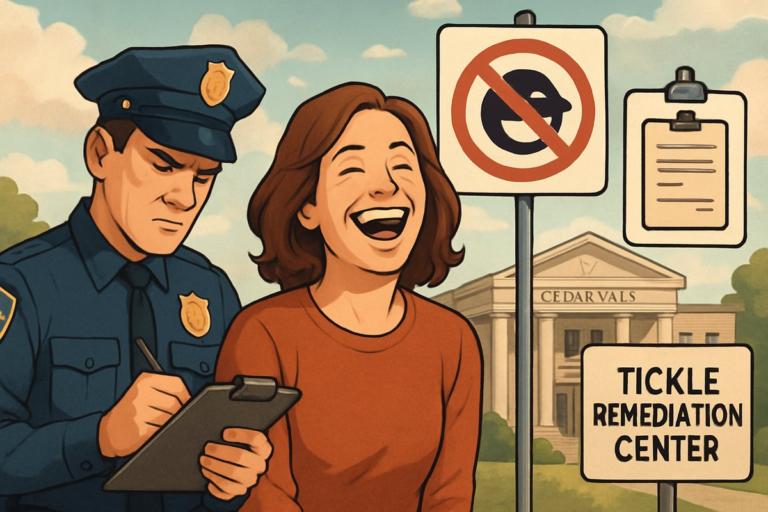
A newly passed Sigh License Act has turned everyday exhalations into taxable events, igniting dramatic protests across town. Citizens equipped with sigh-counters march on City Hall, lawyers file impassioned briefs over excessive sigh tolls, and local dramatists prepare an opera dedicated to bureaucratic breath control.
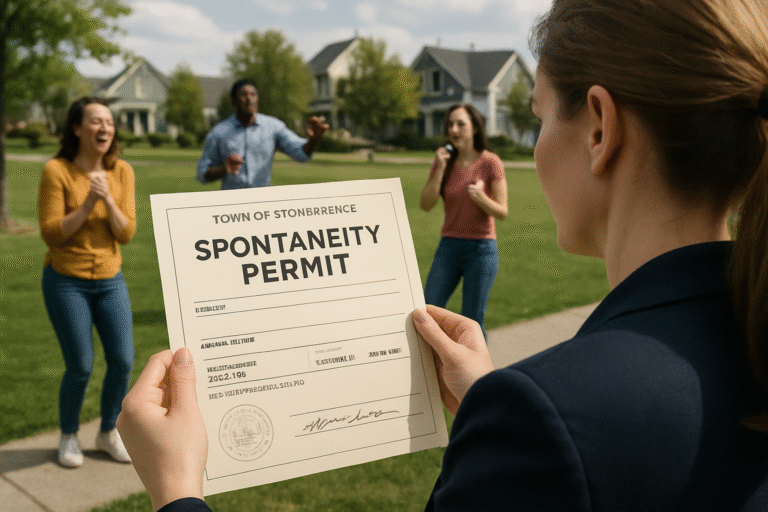
The morning started like any other, until the first official sigh was recorded. Mayor Eliza Brambleton, atop a makeshift dais in the civic plaza, announced that the long-debated Sigh License Act had finally taken effect. From that moment on, every audible exhale above a registered decibel level would require a permit and incur a nominal fee. The crowd of onlookers blinked in unison, unsure whether to break into cheers or collective facepalms.
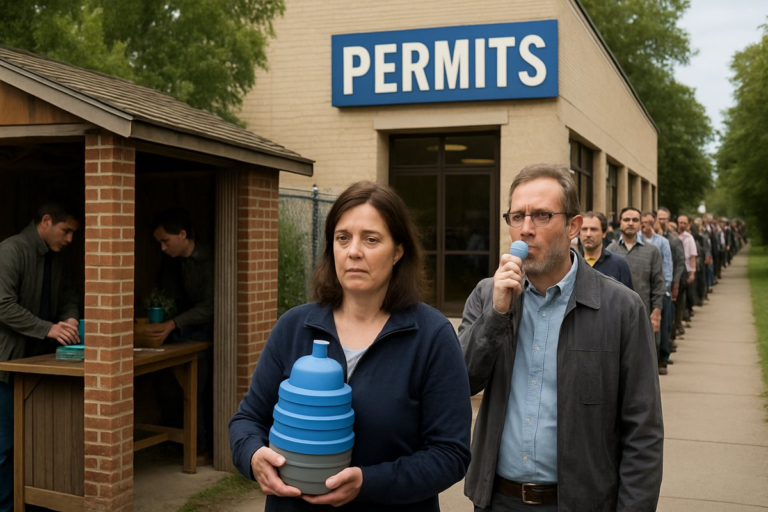
Within hours, the municipality’s Sigh Registry Office-once a vacant storefront-filled with lined-up citizens clutching handwritten sigh diaries. “I didn’t know I was sighing so much during my morning commute,” lamented Marisol Gutierrez, a local barista. She demonstrated her patented “full-body sigh,” which reportedly lasts five seconds and rises in volume whenever her espresso machine malfunctions. “I’ve already missed three bus rides this week because my sighs are unlicensed.”
Across town, self-proclaimed professional exhauster Jacob Nguyen marshaled a small contingent of dismayed sigh-enthusiasts. They gathered outside City Hall waving placards that read, “My Sigh, My Right” and “License to Chill? You Must Be Kidding!” Speech coaches barked instructions on proper sigh form, while a retired metronome operator volunteered to help protesters maintain a legal decibel threshold to avoid fines.
Meanwhile, civic attorneys prepared for the inevitable barrage of lawsuits. One filing argued that sighing qualifies as free speech under the city charter’s emotional expression clause. Another took a more novel route, claiming the act violated an implied constitutional right to unhindered ennui. Judge Franklin Dobbs read the motions aloud from the bench-each exasperated groan heard by the stenographer translated into extra pages of transcripts, thus upping the registry’s paperback printing costs.
In the neighborly coffee shop where city clerks once enjoyed peaceful lattes, a pop-up “DIY Sigh Spa” emerged. Patrons reclined on vintage velvet couches to practice “sigh yoga,” aiming to condense their exasperations into shorter, legal breaths. Instructors guided students through poses like “the Subdued Sigh” and “the Restrained Exhale,” complete with tiny gold license badges pinned to their robes.
Local news anchors broadcast live from “Sigh Meter Square,” the site of the official decibel kiosks. Citizens inserted quarters to calibrate handheld counters reading their sigh volume. According to early reports, half the population now sighs at half strength-either from caution or sheer confusion. “My first thought upon learning the law was, ‘Did I just sigh? Or was it an encouraging hum?’ ” quipped anchor Gina Pursley before launching into an interview with a self-funded sigh cartographer mapping urban exhale zones.
A group of university drama students seized the moment for performance art. On the steps of the library, they staged a three-hour play titled “Ode to the Under-Regulated Breath,” in which each line of dialogue was replaced by successive sighs of varying intensity. Admission was free, but front-row seats came with complimentary earplugs for the lyrically sensitive.
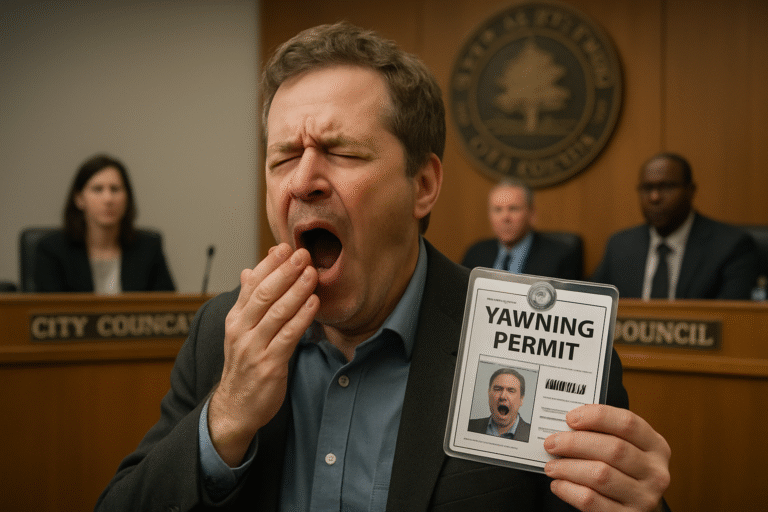
In City Council chambers, debate reached operatic heights. Councilmember Luisa Tran attempted a measured defense, noting that unmanaged sighing posed a public disturbance risk during board meetings. Opposing her, Councilmember Darren Cole demanded to know if laughs would soon require licensing fees under the same logic. Cole punctuated each rhetorical question with a low-key sigh, forcing the city clerk to stamp his card at full cost.
As tensions mounted, local entrepreneurs spotted opportunities. One tech startup advertised “SighSafe” smartphone apps promising real-time permit approvals for emergency exhalations. Another pitched luxury Sigh-Through masks, which allegedly filtered and redistributed expired air to comply with noise ordinances-though testers complained that masks muffled regular conversation and caused dramatic misunderstandings at dinner parties.
At the courthouse, the first fine was issued to a gentleman named Christopher Rowan. After an animated recollection of his boss’s management style, his exasperated groan emitted a peak decibel that triggered the fine mechanism. He was personally escorted to the Sigh Registry Office, where he paid a twenty-dollar surcharge labeled “Excessive Vocal Frustration.” As he left, Rowan declared, “I’m filing for an inspired hysteria exemption.”
Some citizens found playful ways to reclaim their breathing rights. A group of amateur filmmakers released a short parody news segment showing a world where general laughter and sneezing required permits too. “Sneezegate” climbed the local trending list, inspiring people to practice silent sneezes in crowded elevators, much to the befuddlement of unsuspecting riders.
Meanwhile, a coalition of local philosophers announced a “Sigh Solidarity Summit.” Attendees would debate the metaphysical implications of regulated exhalations while using only one regulated sigh per speaker. Critics wondered whether the summit itself would need a license, but organizers argued that the act celebrated regulated sighing’s newfound civic prominence.
Late-night talk show hosts jumped on the bandwagon, airing pre-recorded bits of fake infomercials that offered DIY sigh-acclimation classes at suspiciously high prices. They invited viewers to send in recordings of their sighs for personalized “volume rebalancing,” then played back the edited clips with dramatic music. Fans couldn’t tell if the bits were real ads, and that confusion proved the ultimate satire.
On social media, the hashtag #NeutralBreath gained traction. Users posted pictures of themselves holding a single sheet of paper in front of their mouths, claiming it visually represented their “compliant breath zones.” Influencers partnered with breath-tracking malarkey apps, posting time-lapse videos of them staring at screens and nodding every time a breath stayed under the licensed decibel limit.
At City Hall, Mayor Brambleton remained optimistic. “We wanted to encourage mindful breathing,” she said during a press briefing, flipping through her personal sigh ledger. “Sure, it’s satirical. But haven’t we all felt a little too free with our exasperations?” Critics pointed to skyrocketing administrative costs and a newly formed “Anti-Sigh Tax Alliance.” Part of the mayor’s plan is to reinvest proceeds into free community opera nights. Funds to underwrite those nights reportedly came from-ironically-sigh-licensing surpluses.
Amid the hubbub, a local poet named Isabel Martinez penned a bestselling chapbook titled “One Hundred Regulated Sighs.” Each page contained a carefully measured exhale in poetic form, accompanied by a gold foil sticker certifying its license number. Book launches included public sigh signings, where readers lined up to have Martinez stamp and date their chapbooks next to her handwritten signature. Preorders now outstrip the registry’s capacity to produce foil stickers.
Legal scholars from neighboring towns have expressed interest in challenging or emulating the act. A coalition from the next county over sent a formal request for legislative guidance, creating a peculiar “Sigh Exchange Program” between municipal governments. It would allow licensed exhalations to transfer across borders, in case a commuter needed to vent privately in one jurisdiction before arriving in another.
Yet for many, the silliness hasn’t yet set in. Families venture to public parks clutching their sigh licenses like library cards, uncertain whether they should whisper or fully breathe. Real estate agents advertise “sigh-friendly” neighborhoods, promising minimal decibel thresholds at dawn. Even wedding planners offer “silent sigh ceremonies,” where couples exchange vows through long, synchronized exhalations.
And so the city finds itself at the nexus of breath and bureaucracy, imagining a future where regulated sighing might become a global phenomenon. Whether the Sigh License Act survives legal challenge or melts under collective satire remains to be seen. But one thing is certain: neighbors now greet each other with calibrated inhalations and polite nods, measuring breath against an invisible meter that hovers just above subconscious irritation.
In a world increasingly ruled by permits, city administrators say they’re simply reminding citizens to be mindful of their vocal impact. To that end, they’ve promised an upcoming “Sigh Awareness Month,” complete with workshops on “mindful exhale design.” Subscriptions to the Sigh Registry’s newsletter have already soared, with residents clamoring for tips on lowering their decibel footprint-and perhaps a discount on next quarter’s sigh fees.
As dusk settled, the city’s unofficial motto posted in graffiti near the registry office summed it all up: “Take a Breath, Get a Permit, Leave a Fine.” It appears that even the simplest human impulse-an exasperated sigh-can become headline news when taken to bureaucratic extremes. The citizens, for their part, have discovered a new source of collective drama and, ironically, a renewed appreciation for unlicensed pleasures. After all, the next time someone sighs in frustration, they might just pause, wonder about the fee, and-momentarily-smile.