Location
Mount Vernon, WA 98274
Location
Mount Vernon, WA 98274

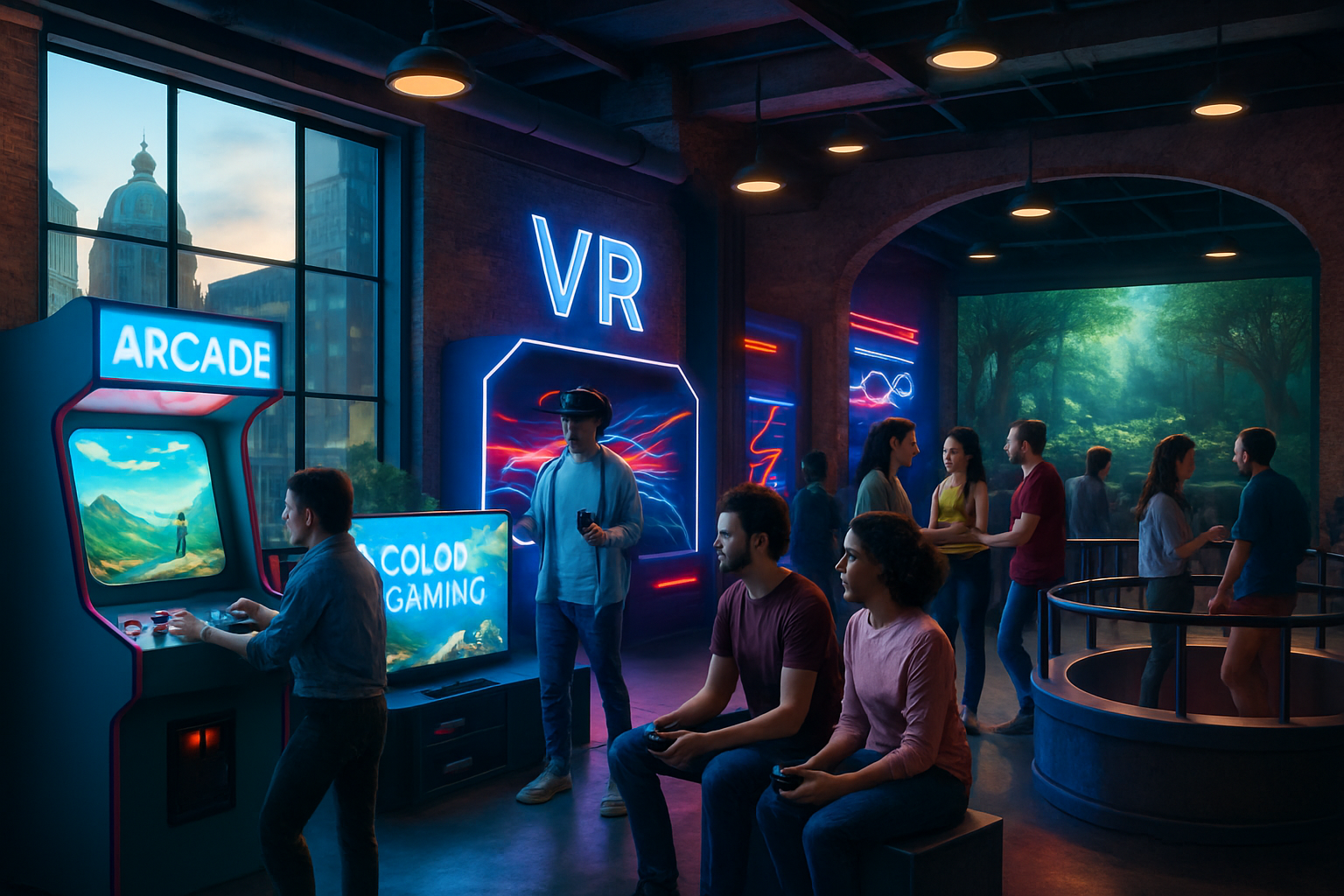
Across cities old and new, gaming venues are fusing cloud streaming, VR, and communal experiences to create hybrid playgrounds. From pop-up arcades to immersive theme parks, these social hubs are reshaping how people connect, play, and discover new worlds.
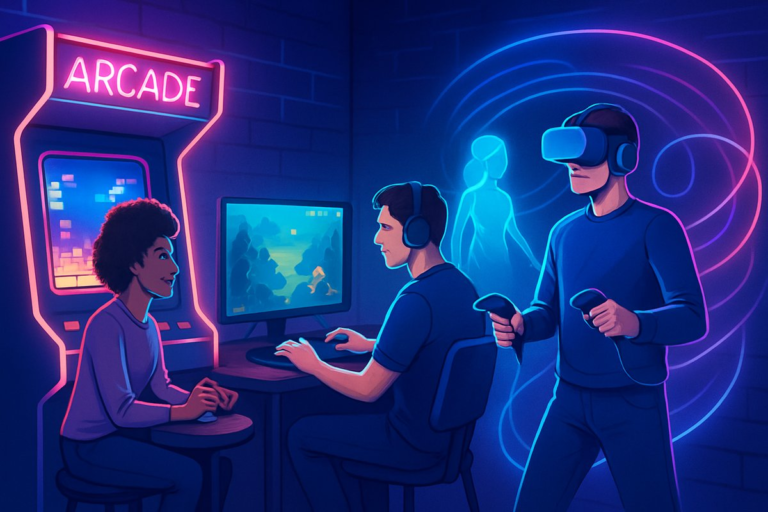
In a repurposed warehouse near the riverfront, rows of curved screens glow blue beneath a vaulted ceiling. Players wait their turn at joystick-equipped pods that stream the latest AAA titles over high-speed servers, while a corner stage hosts a live quiz show where mobile gamers beam in challenges from around the world. This is the prototype of the new hybrid playground: a social space that blends cloud gaming, virtual reality, and physical interaction. It’s not an arcade of the past, nor a simple esports stadium-it’s a communal living room powered by server racks half a continent away.
According to a recent report by Newzoo, revenue from cloud-streamed games soared to unprecedented levels in the past two years, driven by faster networks and broader device support. Entrepreneurs have taken note, transforming empty storefronts into pop-up lounges where visitors can sample high-end titles on modest laptops. One initiative in downtown Berlin invites guests to subscribe on arrival, plug in a headset, and explore far-flung digital realms without installing a single file. At the same time, local baristas host tournaments between rounds of coffee, lending an organic vibe to the competitive spirit.
Major tech companies have also jumped on board, rolling out specialized hubs within flagship stores. These spots allow curious passersby to try brand-new controllers or prototype streaming hardware under expert guidance. Privacy advocates applaud the move: by centralizing streaming in monitored venues, players avoid installing background services on personal machines. Meanwhile, sustainability champions highlight that centrally located data centers can leverage renewable energy at scale, reducing the carbon footprint of what would otherwise be countless gaming rigs humming in living rooms around the globe.
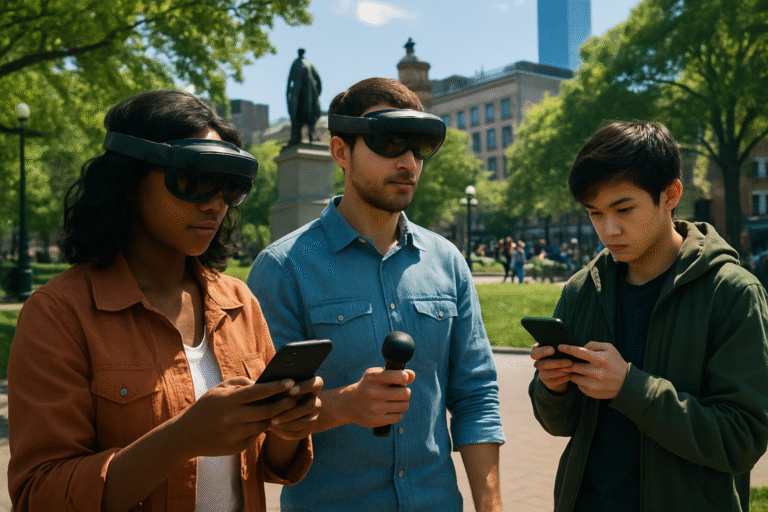
Even the world of immersive parks is evolving. In Tokyo, a themed entertainment center mixes projection mapping with dungeon-style puzzles. Families solve riddles on mirrored walls while augmented characters materialize through AR visors. Over in Barcelona, a floating platform uses motion sensors to let participants battle virtual creatures atop a lake. These parks blur the line between ride operator and game developer, offering narrative arcs and branching scenarios typically reserved for console titles. They also encourage mixed-age groups-grandparents might guide kids through simple card-based minigames while teens dive into co-op skirmishes.
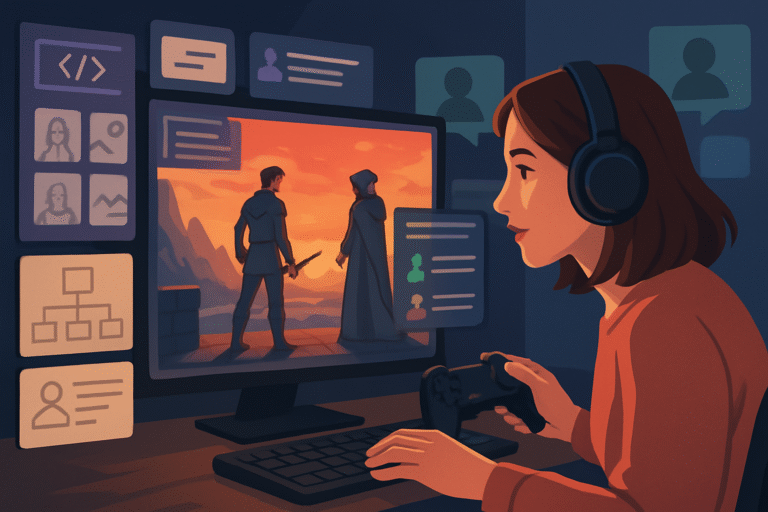
Parallel to these commercial buildouts, indie communities have embraced hybrid meetups. Local libraries host monthly game jams where developers and artists co-create prototypes that stream instantly to audience smartphones. Urban festivals are planning VR music stages and rooftop LAN parties that feed the skyline with neon cables. Organizers prize diversity, offering donation-based entry fees and partner-run hardware rental stations so newcomers needn’t invest heavily to participate. These grassroots events reclaim the social roots of gaming, providing safe, inclusive venues for creative exchange.
Esports, too, is going mobile and communal. Tournament operators now circuit through pop-up hubs in regional towns, rather than funneling everyone to a single megastadium. Teams arrive in branded vans, connecting gear to on-site edge servers for stable performance. Spectators gather around large touchscreen tables to vote on match-affecting modifiers-bonus challenges you can unlock mid-tournament. Such interactive features keep casual fans engaged, turning pros and novices into active collaborators in the spectacle.
The subscription economy has proven equally transformative. Many gamers now pay a flat monthly fee to access cloud libraries filled with hundreds of titles. This model removes barriers: a traveler pulls out a tablet on a delayed flight and picks up where they left off on a sofa back home. Cross-platform saves and universal friend lists bridge devices and venues, making any space feel personal. In one recent survey, over 60 percent of respondents said they discovered new games by dropping in at a friend’s hybrid lounge, highlighting the power of community-driven discovery.
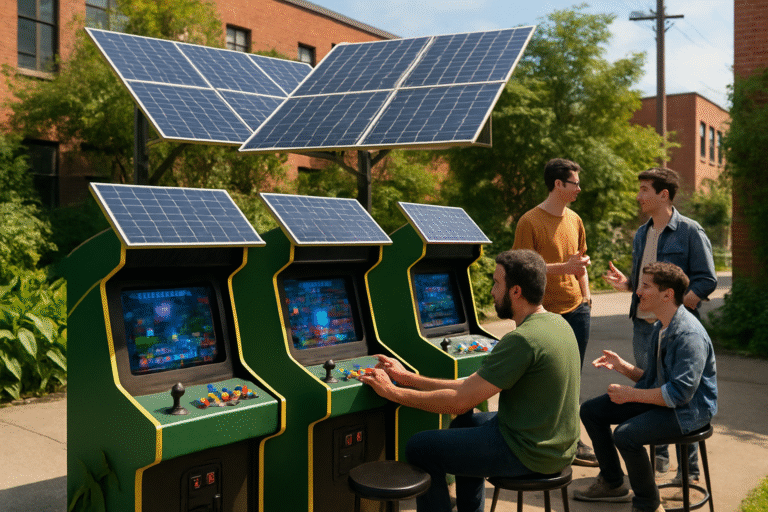
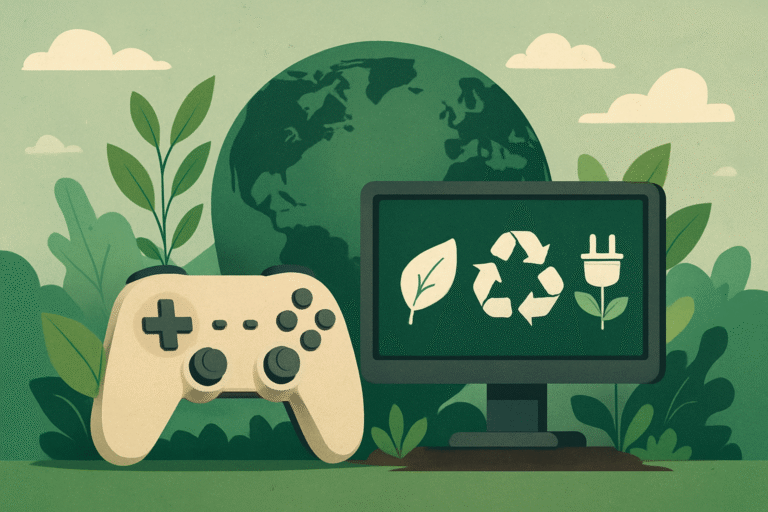
Sustainability remains a central concern as these playgrounds expand. Hardware manufacturers are launching trade-in programs where older consoles are refurbished or recycled, preventing e-waste from piling up in landfills. On the data center side, streaming services commit to carbon-neutral operations by investing in solar arrays and purchasing clean energy credits. Ambitious operators are even experimenting with in-venue solar canopies that directly wire gaming stations to rooftop panels, creating self-contained power loops for afternoon sessions.
For players, the results are palpable. Instead of solo evenings with a console, they can drop into a curated social experiment where strangers become teammates and mentors. Learning curves flatten when an expert sits beside you at a streaming pod, offering tips in real time. Friendships spark over casual indie showcases projected onto living-room-style walls. Even the décor has evolved: couches with built-in chargers, acoustic panels that dampen crowd noise, and snack bars offering allergy-friendly treats make these venues feel more like community centers than tech labs.
If you’re keen to experience this convergence firsthand, start by searching online for “cloud gaming lounges” or “VR pop-ups” in your area. Many cities now list upcoming dates and ticket options on social-event platforms. To set up your own multiplayer get-togethers, consider lightweight gear like a portable projector or a compact router optimized for low latency. A set of washable VR facial covers can ensure hygienic sharing, while foldable gimbals transform smartphones into streaming stations on the go.
Looking ahead, integration with AI promises to raise the bar even further. Real-time coaching bots could offer performance analysis mid-match, while generative systems craft dynamic levels tailored to a group’s skill set. Machine-translated voice chat may finally remove language barriers in global tournaments. As these features arrive, the social hubs will likely evolve into living laboratories for new kinds of play-spaces where humans and algorithms co-create every level, puzzle, and narrative twist.
The reinvention of gaming entertainment is unfolding before us, not as a single revolution but as a tapestry of experiments across urban landscapes. By blending cloud infrastructure, physical venues, and shared experiences, these hybrid playgrounds are restoring the communal spirit of play while offering technological leaps once confined to science fiction. Whether you’re a casual dabbler or a competitive pro, there’s never been a more dynamic moment to rediscover gaming as a collective adventure.