Location
Mount Vernon, WA 98274
Location
Mount Vernon, WA 98274

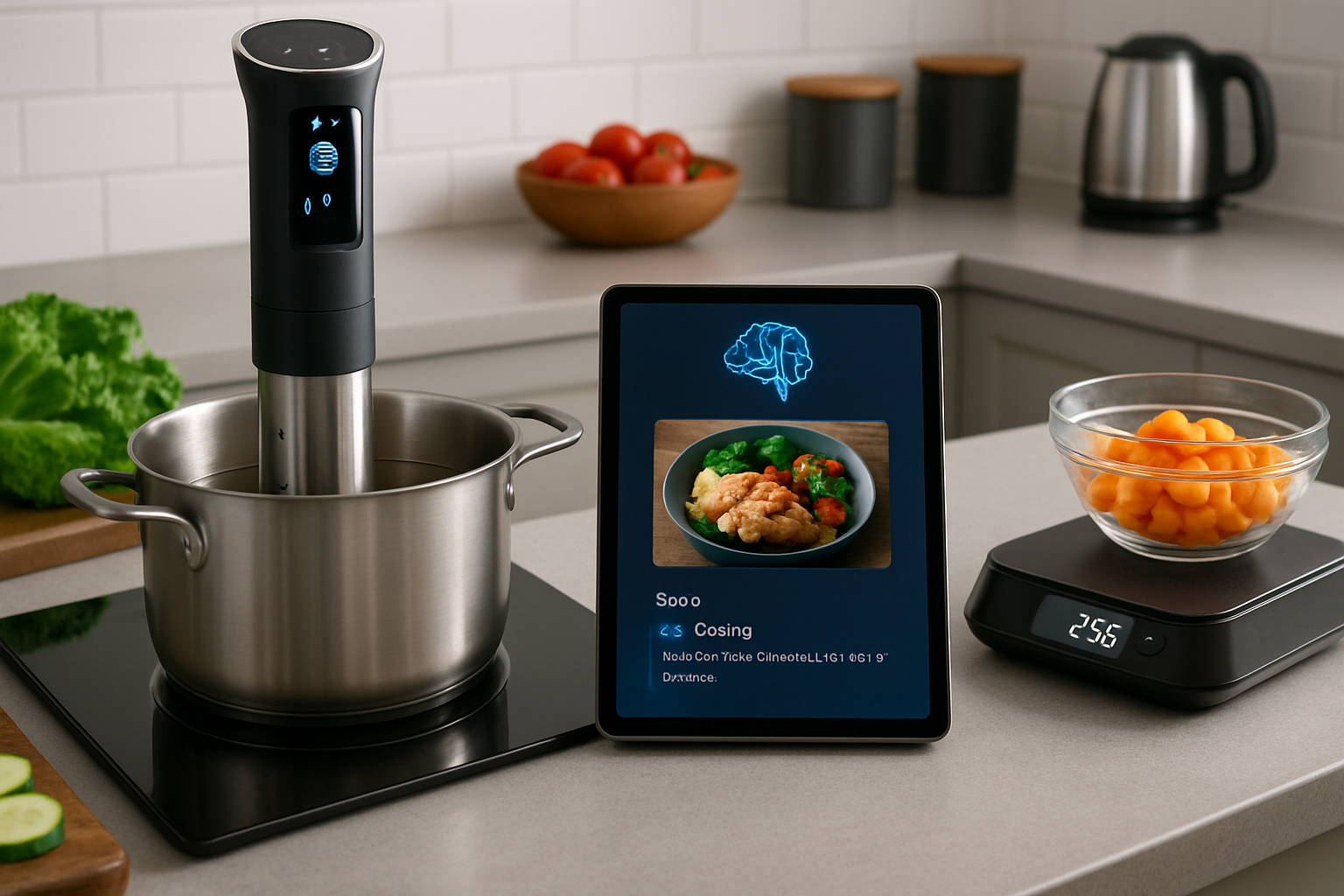
A new era of kitchen innovation blends artificial intelligence, precision cooking tools, and Internet of Things sensors to streamline meal prep, reduce waste, and elevate home dining. Discover the practical gadgets and emerging trends that make cooking more intuitive, sustainable, and creative for curious home chefs.
The familiar hum of a refrigerator and the steady glow of an oven are evolving into a dynamic conversation between appliances, software, and our own culinary ambitions. No longer relegated to static metal boxes and simple temperature knobs, today’s kitchen tools leverage artificial intelligence, wireless connectivity, and advanced materials to reshape everything from menu planning to plating. As environmental concerns mount and lifestyles grow more hectic, home cooks are seeking solutions that save time, reduce food waste, and support healthier habits. Welcome to Cooking 2.0, where sensors and algorithms partner to make every meal a little more effortless, creative, and sustainable.
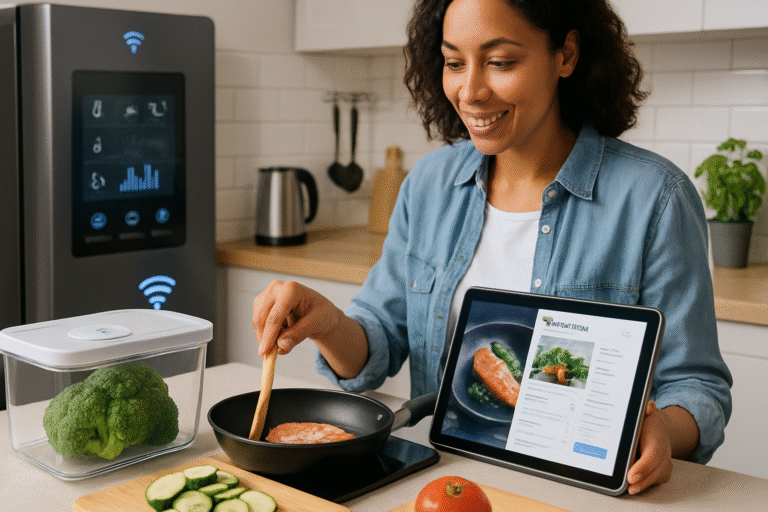
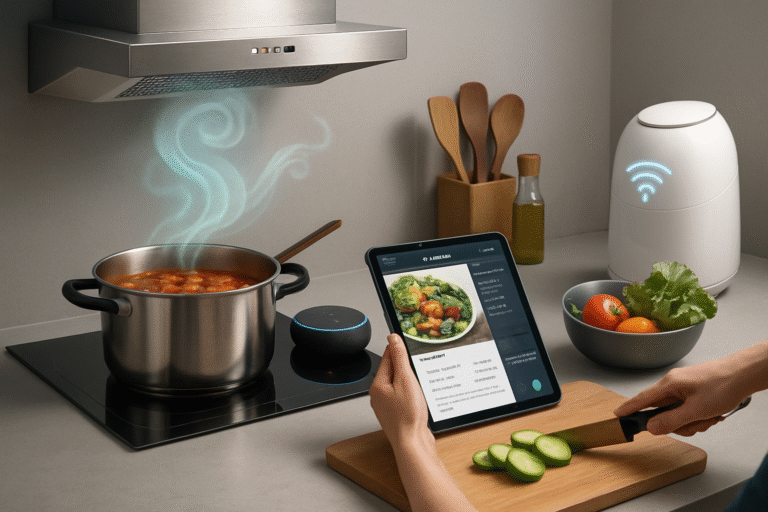
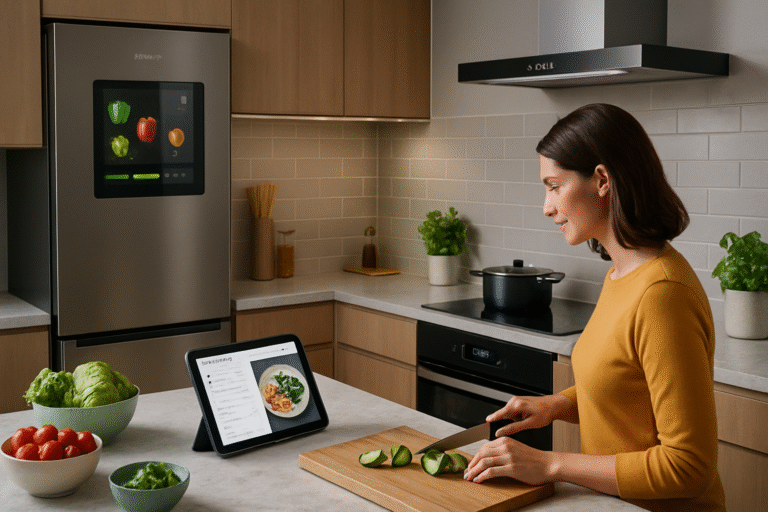
At the heart of this transformation is AI-driven recipe discovery. A growing number of mobile and desktop applications now analyze a pantry’s contents, user dietary preferences, and even local grocery prices to suggest meal ideas tailored to individual schedules. Instead of scrolling through countless websites, you simply scan barcodes or take quick photos of ingredients. Within seconds, an algorithm proposes recipes optimized for nutrition, budget, and flavor profiles. Some platforms even monitor cooking progress via smart camera modules built into induction cooktops, offering real-time coaching on stir-fry techniques or sauce consistency. The result? Home chefs build confidence and expand their repertoire without memorizing dozens of cookbooks.
But AI recipe generation is only the first step. Internet of Things (IoT) sensors have begun migrating into refrigerators, pantries, and countertop scales, turning food storage into proactive maintenance. Smart shelves track weight and temperature fluctuations, alerting users when produce is about to spoil or dairy is nearing expiration. In larger units, barcode readers and RFID tags record every item placed on a shelf-so you can see an up-to-date inventory on your smartphone and receive reminders to use leftover chicken before it turns. This not only curbs waste but also helps with meal planning, as you’ll know exactly what’s on hand when you’re ready to cook.
Precision cooking tools further amplify the impact of data-driven kitchens. Sous vide devices have long promised perfect eggs, steaks, and fish by controlling water temperature to within a tenth of a degree. Now, smart sous vide sticks connect via Bluetooth or Wi-Fi to apps that store personalized cook charts-whether you like your salmon medium-rare or your pork tenderloin just shy of well-done. Similarly, induction cooktops equipped with thermal imaging sensors measure a pan’s surface heat in real time, adjusting power levels to maintain an ideal sauté temperature. No more burnt onions or undercooked rice-just consistent results that free cooks to focus on seasoning and presentation.
Even robotic arms are stepping into home kitchens. Compact countertop units can whisk, chop, and stir ingredients according to precise timings and motion patterns. Some systems combine a modular knife blade with machine-vision cameras to dice vegetables with surgical accuracy, while others employ articulating arms to flip omelets or turn skewers on a built-in grill. While full-scale robot chefs remain niche, these emerging helpers are lowering the barrier for complex techniques and multi-course menus. For multi-person households or busy single professionals, a programmable sous chef can simultaneously handle prep tasks while the cook attends to plating or cleans up.
Beyond the mechanical and computational, material science is also reshaping kitchen design. Antimicrobial coatings embedded in cutting boards and countertops help inhibit bacterial growth without harsh cleaners. Self-healing polymer surfaces repair minor scratches, extending the lifespan of food prep stations. Even disposable items are getting a green makeover: edible cups, plates made from rice husks, and compostable cling wrap alternatives reduce reliance on single-use plastic. By choosing products manufactured from renewable or recycled inputs, home cooks can shrink their environmental footprint while enjoying the convenience of modern conveniences.
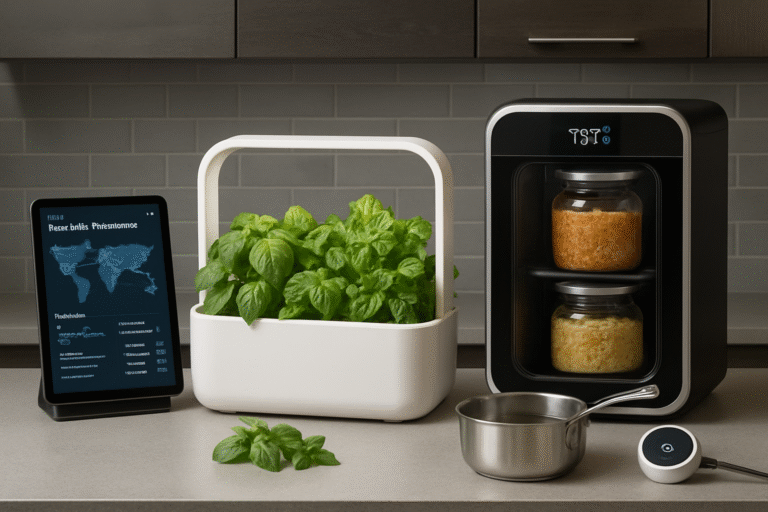
Waste reduction extends into the cooking process itself. Vacuum sealers integrated with home composting systems make it easy to recycle vegetable peels, coffee grounds, and eggshells into nutrient-rich soil for indoor herb gardens. Smart trash bins equipped with compactors and odor-neutralizing filters prompt users when it’s time to empty or when compostable items should be separated. Combined with tracking data from IoT sensors, these systems help households identify recurring waste patterns-like uneaten leftovers-and adjust shopping and menu plans accordingly.
Energy efficiency is a parallel concern. Solar-assisted outdoor ovens, portable thermoelectric coolers, and induction hobs that transfer up to 90 percent of their energy directly to cookware all reduce electricity consumption. Some induction units now incorporate dynamic load balancing, shifting power between burners to prevent overloaded circuits and optimize cooking speed while staying within a home’s electrical capacity. This seamless integration lets cooks use multiple high-wattage appliances simultaneously without tripping breakers or causing brownouts.
Looking ahead, 3D food printing holds promise for personalized nutrition at the push of a button. By depositing layers of flavor-infused pastes-ranging from plant-based proteins to fruit gels-printers can craft intricate shapes and textures that traditional methods struggle to achieve. These printers can also enrich meals with vitamins or supplements tailored to individual dietary needs, supporting allergy management and specialized meal plans. While still in early stages for home use, pilots in assisted-living communities demonstrate improved appetite and mealtime engagement among residents.
The convergence of these technologies is driving the next wave of culinary creativity. Imagine a weekend brunch where your countertop assistant has already whisked and proofed brioche dough in sync with your coffee machine, and where your refrigerator has preheated your smart griddle to the ideal temperature for crisping both pancakes and bacon simultaneously. Or picture hosting an intimate dinner party where your robotic sous-chef fillets fish as you set the table and dims smart lighting to match the mood. By reducing friction at every step-planning, shopping, cooking, and cleanup-smart kitchen solutions are inviting more people to explore ambitious flavors and extravagant presentations in their own homes.
Adopting Cooking 2.0 requires investment and a learning curve, but many solutions integrate seamlessly into existing workflows. Starting small-with a connected scale, a sous vide stick, or a refrigerated inventory app-can yield quick wins in consistency and waste reduction. As confidence grows, layering in additional sensors, intelligent aids, and advanced materials enhances control over time and health outcomes. The ultimate promise is a kitchen that adapts to you, rather than forcing you to adapt to it-where technology fuels curiosity, creativity, and a sense of stewardship over resources.
In this evolving landscape, the role of the home cook is shifting from manual laborer to orchestrator of an intelligent food ecosystem. The art of cooking still rests on intuition, seasoning, and the joy of tasting a lovingly prepared meal. What’s new is the removal of tedious guesswork and the expansion of creative possibilities through data-driven tools. As these innovations become more accessible and affordable, the kitchen of tomorrow will be less about appliances and more about a cohesive platform that empowers every cook-novice and pro-to make better food, reduce waste, and enjoy the process.