Location
Mount Vernon, WA 98274
Location
Mount Vernon, WA 98274

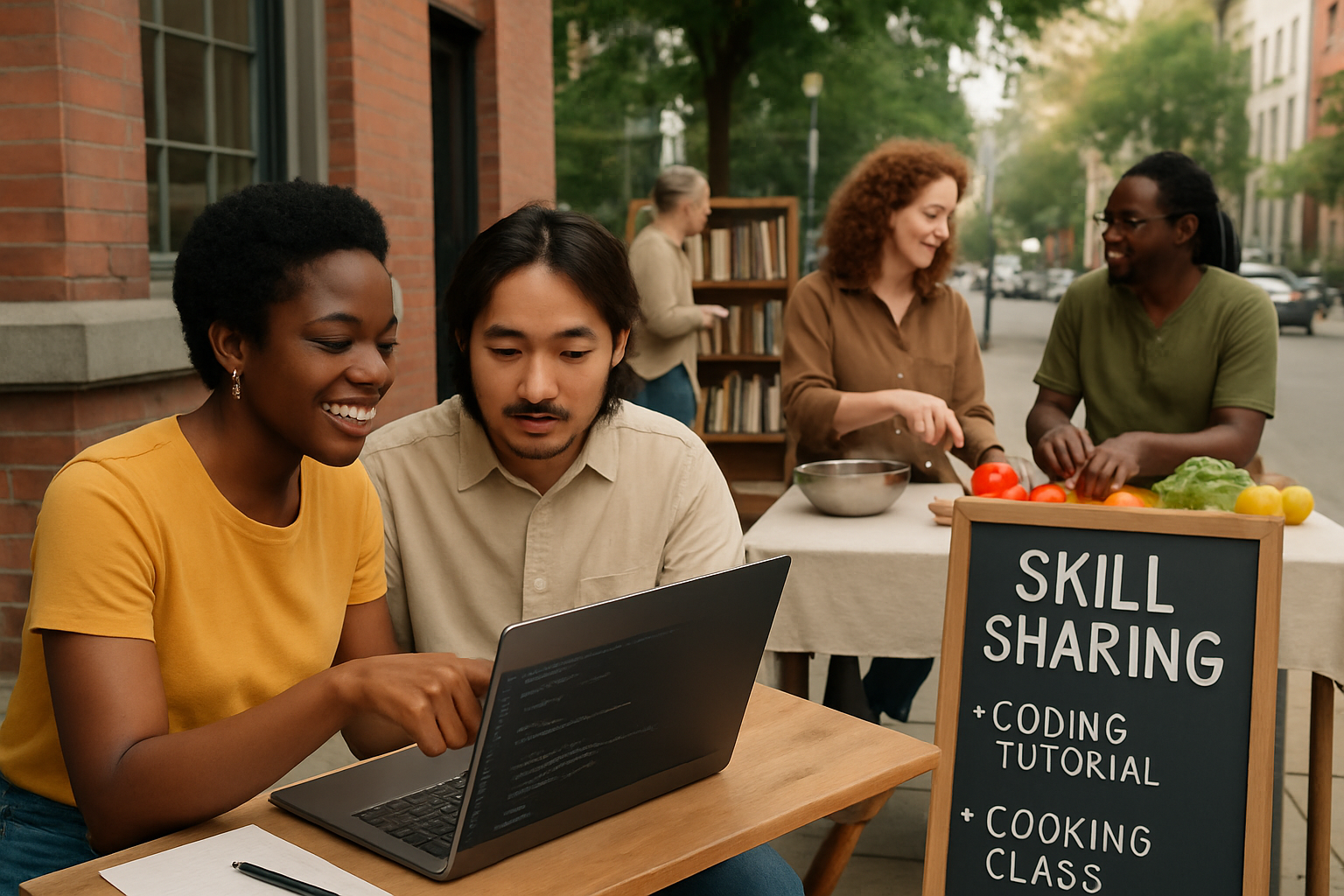
In cities worldwide, informal skill-sharing hubs are sprouting on street corners, in converted libraries and living rooms. Residents are bartering expertise-from coding tutorials to culinary lessons-fostering empathy, reducing waste and rethinking how communities learn and grow together.
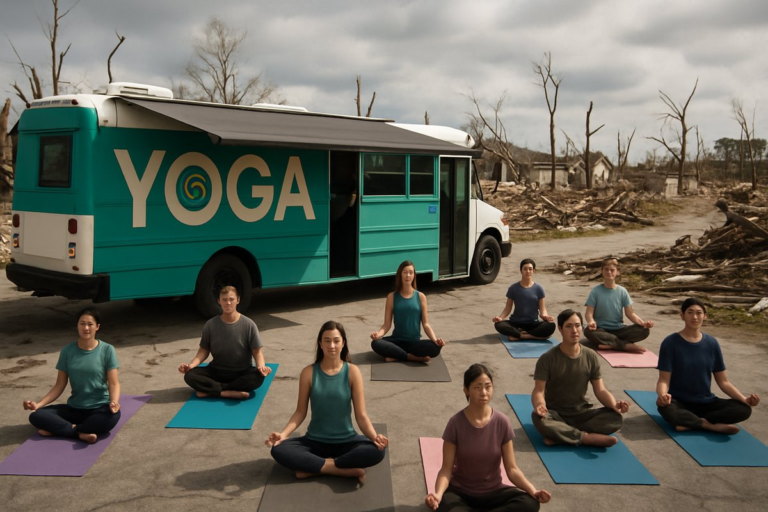
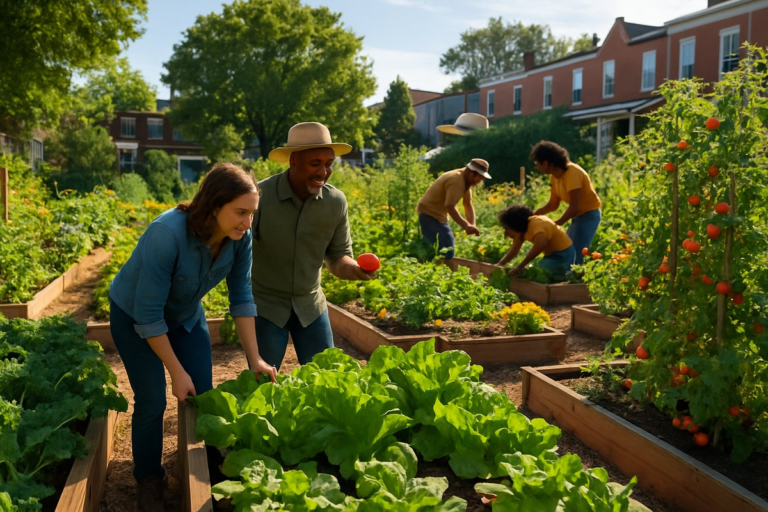
A few Mondays ago, an octogenarian musician guided a college student through the nuances of ragtime piano just as the young learner was teaching her the basics of smartphone photography. This exchange didn’t take place in a fancy studio or through an online app; it happened in a repurposed book nook tucked into a community center’s lobby. Around the room, neighbors browsed a handmade flyer board, signed up for yoga-for-gardening swaps and chatted over herbal tea grown by a local urban farmer.
This scene illustrates a fast-growing phenomenon transforming modern cities: grassroots skill swaps and micro-communities built around shared knowledge and mutual aid. Fueled by the desire for deeper connections, coupled with digital tools that simplify coordination, people from all walks of life are forging small, hyperlocal networks that redefine what it means to be a neighbor.
Origins of the New Urban Commons
Barter systems and time banks aren’t a novelty. In the 1980s, groups in the United Kingdom and North America rolled out early timebank networks, where one hour of work translated to a credit usable on any other member’s service. But those systems often remained siloed, reliant on specific organizations and paper records. Today’s skill swaps blend old ideas with modern platforms, bringing more fluidity and responsiveness to community exchanges.
According to a recent report by a national nonprofit tracking mutual aid projects, over 75 community-led skill-sharing hubs have appeared in major metropolitan regions over the past two years. Membership rosters quietly swell into the hundreds, while informal circles pop up in coworking spaces, small cafés and even apartment rooftops.
Why It Resonates Now
Amid rising costs of living and a growing appetite for zero-waste lifestyles, bartering skills cuts through both expense and consumer overload. Rather than hiring a tutor, residents cultivate neighbors who are eager to offer an afternoon’s patience in exchange for hands-on help with home repairs or translation services. This reciprocal model elevates emotional intelligence-each interaction relies on empathy, respect and active listening.
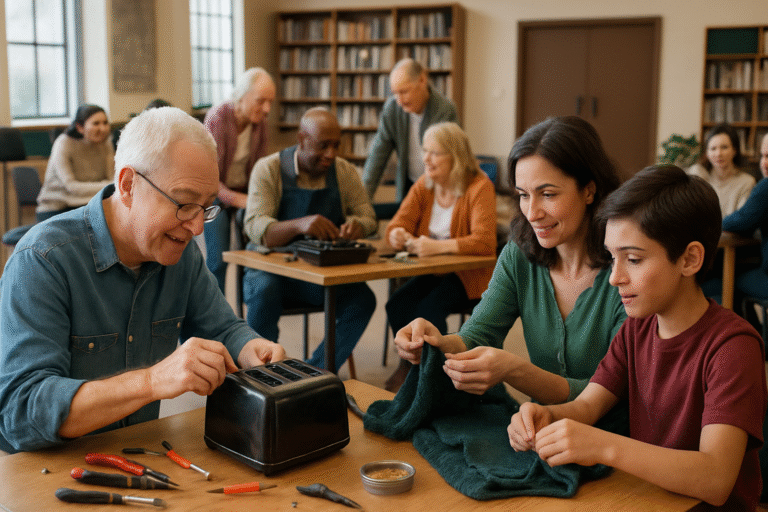
Members often cite a surprising side benefit: these exchanges dismantle age, class and cultural barriers more effectively than casual greetings at the mailbox. A retired calligrapher might discover a teenager’s passion for animation, while a stay-at-home parent finds newfound confidence teaching knitting fundamentals. Each lesson carries the unspoken lesson that everyone has something valuable to contribute.
Case in Point: The Crossroad Community Circle
In one European city, a municipal library allocated a corner of its ground floor to an open “Community Circle.” Every Saturday, attendees post their offers and needs on a magnetic board-anything from “Spanish conversation practice” to “bike maintenance tutorial.” Volunteers facilitate sign-ups, but the actual exchanges happen peer to peer. No money changes hands.
In its first six months, the space hosted over 300 sessions. A few standout swaps included:• A high school math whiz tutoring retirees in basic arithmetic so they could manage online bill payments.• A home gardener teaching seed-saving techniques to families, resulting in a neighborhood seed library.• A musician’s flash lesson on guitar chords leading to impromptu jam sessions with children after school.
Organizers tracked these metrics to share with local councils, demonstrating tangible community impact-measurable upticks in cross-generational friendships, reduced social isolation scores among seniors, and even preliminary data showing less food waste due to produce-swapping events.
Sustainability and Privacy in Tandem
Embracing sustainability means more than composting scraps. Skill swaps encourage repair over replacement, homemade dinners over takeout runs and peer-to-peer learning over mass-produced courses. When individuals teach each other how to mend clothing or repurpose cardboard into storage, they chip away at fast-fashion and single-use mindsets.
At the same time, digital coordination is key for many hubs. Apps built for mutual aid let members post requests, confirm appointments and leave ratings. Responsible organizers safeguard privacy by using open-source platforms or hosting data on community-owned servers. Regular code audits, transparent privacy policies and local data stewardship ensure that personal info remains in friendly hands.
Cultivating Emotional Agility
It’s easy to underestimate the impact of simply sharing time. But each skill swap demands emotional agility: listening patiently, framing feedback kindly, and celebrating small victories. One organizer noted that volunteers often report increased self-esteem after teaching a skill. Witnessing someone grow-or guiding them through a challenge-creates an emotional feedback loop more fulfilling than many traditional volunteer roles.
This empathy-driven approach spills out into daily life. Neighbors learn to negotiate logistics, resolve minor misunderstandings and collaborate on small community projects. Over time, that skill set discourages the us-versus-them mindset that can plague large urban populations.
Blueprint: Launching Your Own Neighborhood Swap Hub
You don’t need a library corner or a tech startup to start swapping skills where you live. Here’s a five-part blueprint:• Map the Landscape: Talk to at least ten neighbors. What expertise do they offer? What needs do they have? This snapshot helps you choose a fitting venue-be it a porch, park bench or community lounge.• Design Simple Sign-Up Tools: Use a shared spreadsheet, chalkboard or free open-source app. Keep it low-tech if members prefer analog. Ensure basic data practices: minimal personal info and transparent usage.
• Host an Introductory Mixer: Offer refreshments. Start with quick “pop-up” share sessions-think five minutes per presenter. Foster a relaxed environment with icebreakers (like pairing newbies with veterans for one-minute intros).
• Establish Gentle Guidelines: Time swaps work best with clear expectations. Encourage punctuality, kindness and reciprocity. Suggest an honor system for creditkeeping. Optionally nominate rotating facilitators to handle disputes and update the board.
• Collect Feedback and Iterate: After the first month, send an anonymous survey or hold a casual debrief. Which skills were underrepresented? Did any tension arise? Use feedback to adjust your schedule or expand outreach.
Anticipating Challenges
Even the best intentions can face obstacles. Some swaps stall if the credit system feels too complex. Others attract the same handful of members, leaving newcomers on the sidelines. Proactive coaches can help by mentoring less confident participants and spinning off specialty circles (for gardening, language practice or creative arts).
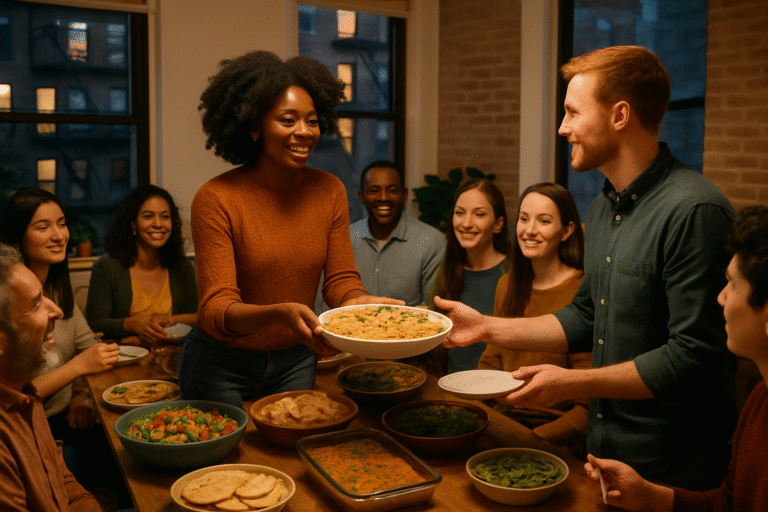
Maintaining momentum is also critical. A rotating theme-such as “Sustainable Sundays” focusing on eco-skills-can refresh interest. Periodic open houses welcome curious passersby, while simple incentives (like a neighborhood potluck) reinforce that the hub is more than an exchange platform; it’s a living, evolving space for social cohesion.
Imagining the Next Layer of Collaboration
As these micro-networks proliferate, some communities are connecting with adjacent neighborhoods to form loose federations. Imagine a weekend where music lessons from one hub dovetail with bike repair from another two blocks over, all coordinated through a shared neighborhood festival. Such collaborations could link timebank credits across districts, creating a patchwork of interwoven mutual aid.
Future digital tools might integrate geolocation to suggest nearby swaps in real time, or pair local businesses with community-led workshops-without heavy-handed sponsorship. The ethos remains clear: shared resources, preserved autonomy and collective growth.
In a world craving both connection and autonomy, skill swaps offer a blueprint for richer urban living. A few simple acts, like trading a language lesson for a coding crash course, can ripple outward, forging networks of trust and creativity. Neighbors stop being strangers and become collaborators, teachers and sometimes friends for life.
If you’ve ever hesitated to join a block party or worry you don’t have standout expertise, remember this: your lived experience is your most valuable skill. Whether it’s making sauerkraut or explaining the basics of budgeting, someone across the hallway is eager to learn. And in teaching them, you’ll discover a community woven stronger stitch by stitch.