Location
Mount Vernon, WA 98274
Location
Mount Vernon, WA 98274

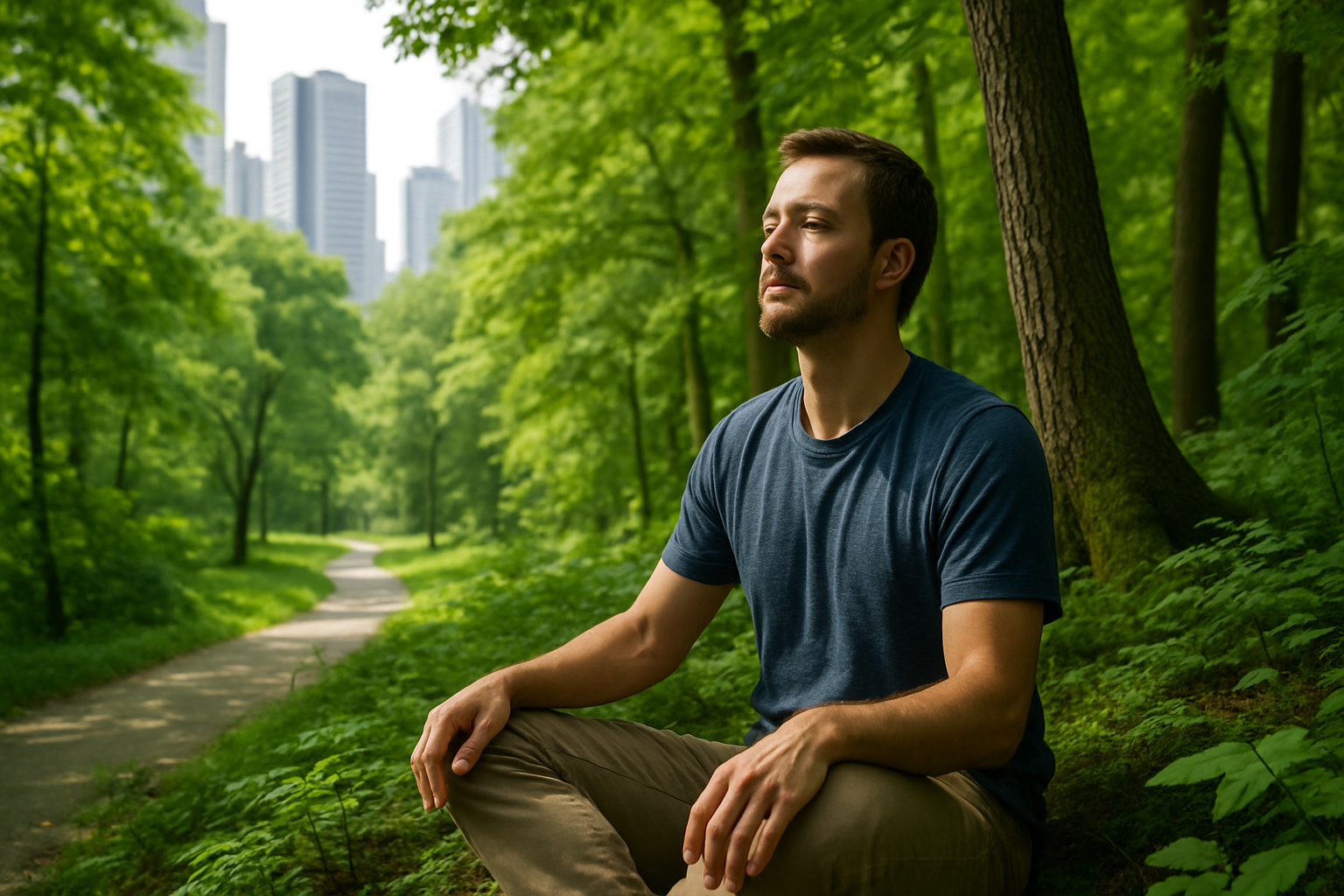
As urban life accelerates, a growing number of city residents are turning to forest bathing in local parks and green corridors to counter stress and improve mental health. Emerging research confirms that even brief immersion in nature can lower cortisol levels, enhance focus, and foster a deeper sense of well-being.
In the heart of a bustling metropolis, where skyscrapers tower and traffic hums relentlessly, a subtle revolution is taking shape. Office workers, students, and seniors alike are trading crowded subways and noisy streets for quiet park paths and tree-lined boulevards. Known as urban forest bathing, this practice invites participants to slow down, open their senses, and connect with pockets of greenery scattered throughout the city. Far from being a remote wellness retreat in a distant forest, city dwellers are discovering that restorative nature experiences can be woven into daily routines.
Originating in Japan in the early 1980s under the name shinrin yoku, forest bathing was initially a response to the increasing pace of life and rising stress levels. Researchers found that unhurried strolls through wooded areas delivered measurable benefits: reduced blood pressure, improved immune function, and elevated mood. Today, municipalities around the world are adapting these lessons to urban contexts. Rooftop gardens, green corridors along transit lines, and pocket parks in formerly vacant lots provide accessible sites for guided sessions or solo exploration.
A recent study published in a peer-reviewed environmental health journal tracked cortisol-a hormone associated with stress-and heart rate variability in 150 participants who spent twenty minutes in an urban park. Results showed a consistent drop in cortisol levels compared with a control group that stayed inside an office building. Participants also reported feeling more alert and less irritable afterward. Additional research highlights that brief exposures to trees and vegetation can sharpen cognitive function, boost creativity, and even enhance social cohesion when practiced in groups.
Several large cities have already embraced the concept. One capitol city converted a defunct railway line into an elevated greenway lined with native plants and walking paths. Another municipality launched a mobile app that maps out forest bathing zones, complete with ambient soundscapes recorded on site. Local health departments have partnered with nonprofit organizations to train volunteers as nature guides, offering free weekly walks designed for different age groups and mobility levels. These efforts focus on inclusivity, ensuring that everyone-from families with young children to older adults-can participate safely.
Mental health professionals are taking note. Licensed therapists now include brief forest bathing sessions in care plans for clients experiencing anxiety or burnout. A growing number of primary care physicians suggest that patients spend time in green spaces as a low-cost, low-risk complement to conventional treatments. As one recent public health advisory explains, integrating nature contact into daily life can serve as a form of preventive medicine, reducing the incidence of stress-related issues long before they escalate into more serious conditions.
So how can someone bring the practice into their own schedule? The beauty of urban forest bathing lies in its flexibility. A roundtrip walk to a nearby park during a lunch break can suffice. The key is to proceed deliberately, using all five senses. Notice the texture of bark, the shape of leaves, the chorus of birdsong. Take slow, deep breaths, lingering at vantage points to observe patterns of light and shadow. Sitting quietly on a bench or grassy patch can be just as powerful as walking, especially for those with limited mobility.
Technology can enhance the experience without detracting from its core purpose. Free or low-cost apps provide guided sessions that prompt participants to pause, listen, and reflect. Wearable devices can monitor heart rate and breathing rate, offering real-time feedback on physiological changes. For individuals who struggle to carve out time, flexible alerts can remind them to step outside for a brief interlude of green immersion. Yet even without gadgets, a simple headset for noise-cancelling can help mute urban din and allow natural sounds to emerge.
Community plays a crucial role in sustaining interest and motivation. Local advocacy groups organize monthly urban nature challenge events, where participants earn digital badges for visiting new green spots. Corporate wellness programs often schedule group forest bathing outings as team-building exercises. Schools are introducing lessons in mindful walking, encouraging students to observe seasonal shifts in park foliage. These community-based approaches foster accountability, making it more likely that participants will return regularly and integrate the practice into long-term habits.
Despite its promising benefits, urban forest bathing faces challenges. Not every neighborhood has equal access to quality green spaces. Urban planning and policy decisions determine which areas receive investment and which remain asphalt-dominated. Equity advocates stress the importance of designing inclusive greening initiatives, ensuring that underserved communities benefit from clean air, cooler temperatures, and therapeutic environments. Public-private partnerships, grants for community gardens, and participatory design workshops have emerged as effective strategies to expand access.
Looking ahead, experts predict that forest bathing will become a standard offering in city wellness toolkits. Some healthcare systems are exploring prescriptions that include free or subsidized park passes. Corporate wellness budgets may soon allocate funds for green retreats in urban settings. Digital platforms will integrate environmental data-such as pollen levels and air quality-so participants can choose optimal times for outdoor immersion. As the field matures, interdisciplinary collaborations among urban planners, health researchers, and community leaders will refine best practices and measure long-term outcomes.
Whether you live in a highrise apartment or a suburban enclave, the essence of urban forest bathing is universal. It invites you to reclaim moments of calm within the city’s hustle and reconnect with the living world around you. In an era defined by screens and schedules, these green interludes provide a chance to slow down, observe, and breathe. For countless city dwellers, a simple walk beneath the branches of an urban oak or alongside a riverbank lined with willows has become a vital lifeline-a modern ritual that nurtures resilience, creativity, and joy.
As natural sounds mingle with distant traffic and filtered sunlight dances across paving stones, forest bathing in the city demonstrates that wellness need not be confined to pristine wilderness. The antidote to urban stress may be closer than we think, waiting just beyond the next intersection, where a canopy of leaves offers refuge and renewal.