Location
Mount Vernon, WA 98274
Location
Mount Vernon, WA 98274

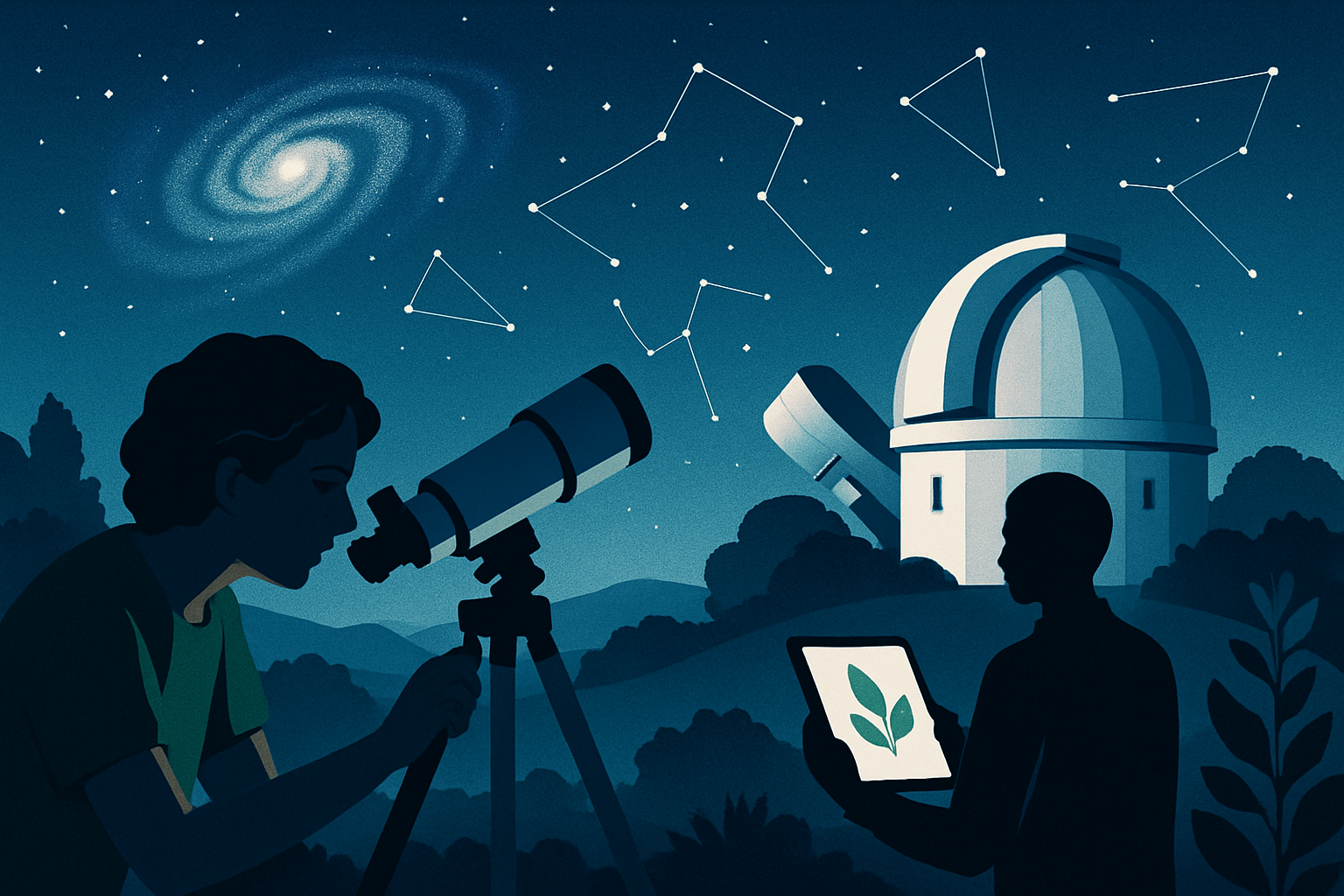
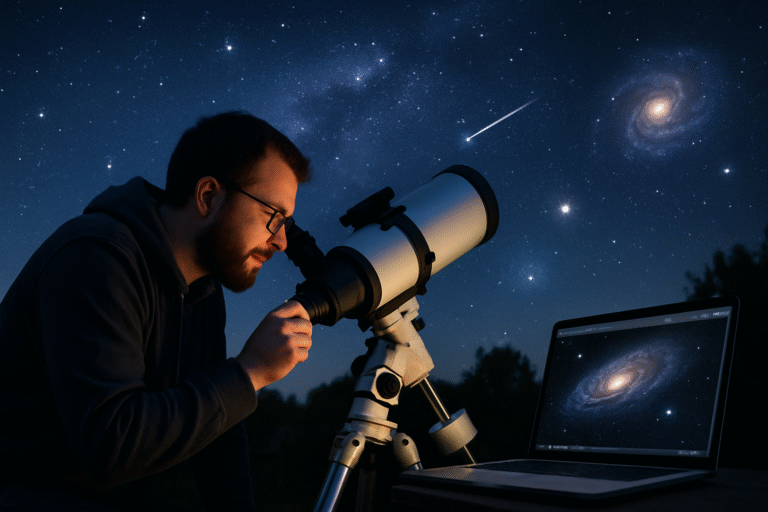
A growing wave of cosmic curiosity is reshaping astronomy-from backyard observatories to deep-space telescopes. Citizen scientists, eco-conscious observers, and open-data initiatives are combining practical tools and sustainable practices to unlock the universe's secrets.
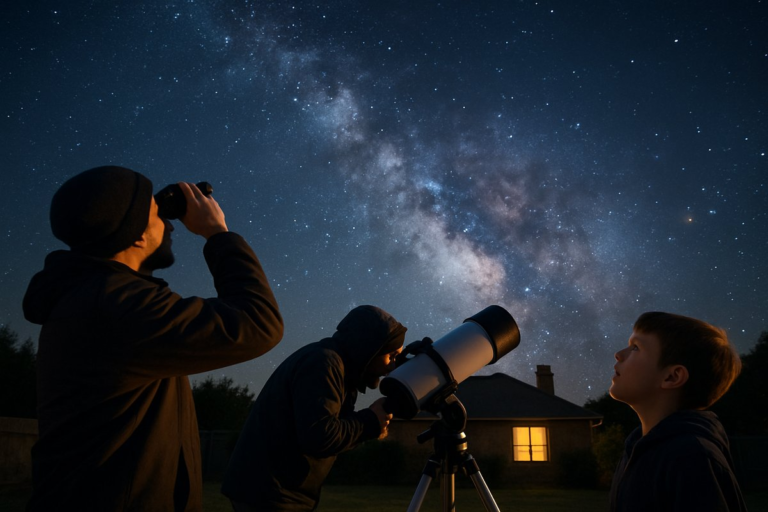
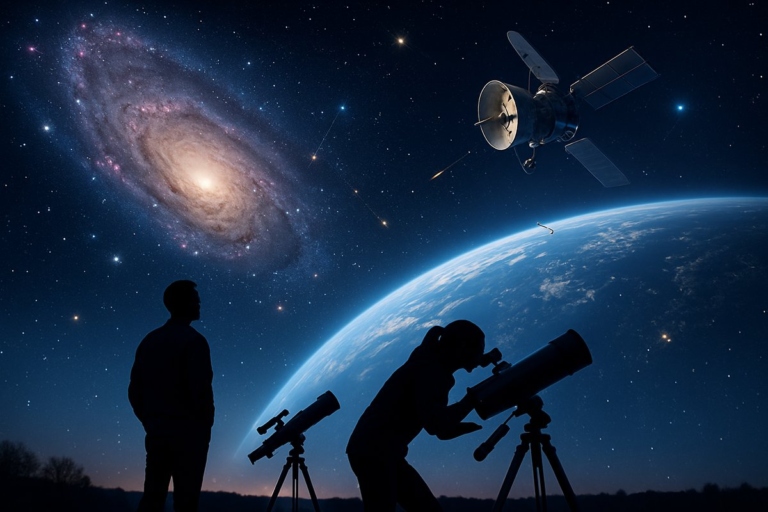
The night sky has long prompted questions about our place in the cosmos. Today, that yearning is translating into a surge of practical discovery powered by both professionals and passionate newcomers. From newly released infrared images captured by spaceborne observatories to the flicker of a fireball streaking overhead, cosmic curiosity now extends far beyond academic journals. Ground-based networks, cloud computing, and open-source tools are reducing barriers to entry. As a result, communities everywhere are connecting their sense of wonder with actionable research-tracking asteroids, monitoring variable stars, and even contributing to the hunt for life beyond Earth.
At the heart of this movement lies citizen science. Platforms that once hosted a handful of volunteers classifying galaxies now host tens of thousands of global participants. One initiative invites volunteers to review spacecraft telemetry, spotting anomalies that automated pipelines sometimes miss. Another project crowdsources meteor sightings via a smartphone app, triangulating hundreds of reports each night to plot new fireball trajectories. These efforts do more than generate data: they cultivate emotional intelligence and a shared sense of stewardship. Observers learn that every report, no matter how simple, can refine our understanding of Earth’s atmospheric interactions with space debris. The process emphasizes collaboration over competition, reinforcing the principle that discovery is a collective affair.
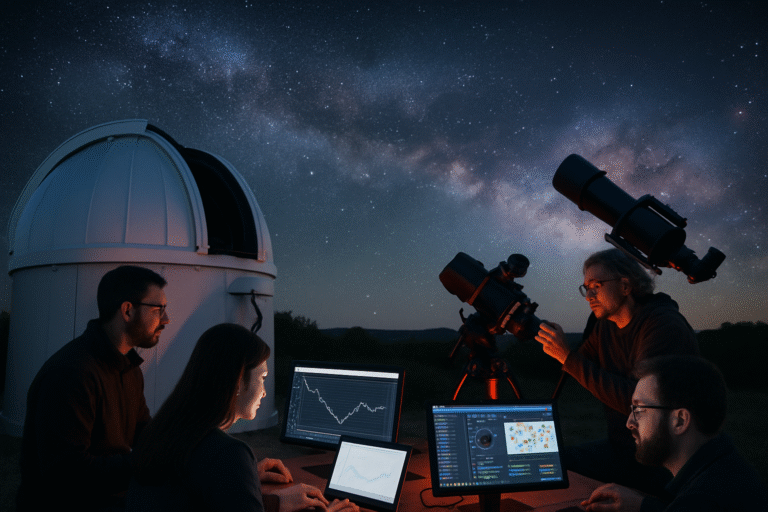
Meanwhile, amateur astronomers are carving out their own niches in high-science research. By leveraging public archives from infrared, optical, and radio telescopes, hobbyists can access raw data acquired by major space agencies. Many have taught themselves to process spectral data, revealing clues about exoplanet atmospheres or the chemical composition of interstellar clouds. Some network their home observatories into clusters that automatically schedule observations of transient events-novae, occultations, or rare conjunctions-ensuring no brief cosmic show goes unnoticed. The result is a fluid partnership between professionals and enthusiasts. Professional teams may propose targets and methodologies, while a distributed army of skilled volunteers conducts follow-up observations that no single institution could manage alone.
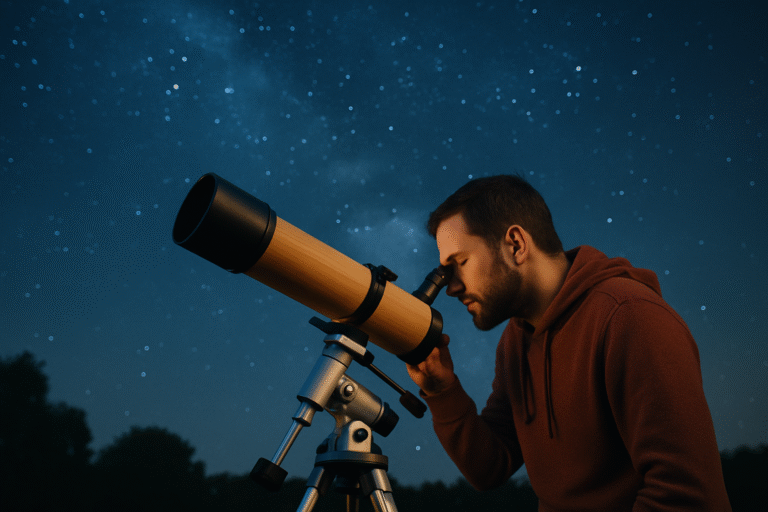
Technological democratization has been a key driver. Gone are the days when a powerful telescope cost tens of thousands of dollars and required a permanent observatory. Lightweight refractors, foldable reflectors, and affordable radio kits now fit in a car trunk, empowering explorers in urban balconies or remote field stations. Smartphone apps with built-in star maps and planetarium overlays guide novices to celestial targets, even when they lack dark skies. Open-source software harnesses machine learning to sift through petabytes of survey data, highlighting candidates for further study. Solar-powered mounts and low-power computing boards reduce energy footprints, letting observers set up in eco-sensitive regions without relying on diesel generators.
Sustainability is becoming integral to cosmic curiosity. Campaigns to reduce light pollution have gained momentum in small towns and major cities alike. Municipalities are retrofitting streetlights with shields and warm-tone LEDs, striking a balance between safety and stargazing quality. Dark Sky Reserves-protected zones with strict outdoor lighting policies-are popping up on every continent, from remote islands to semi-arid plateaus. In parallel, eco-minded designers are crafting telescopes from recycled materials and biodegradable plastics. Solar backpacks equipped with foldable panels power portable astrophotography rigs at field camps. Even in Antarctica-one of the most remote observing sites on Earth-research stations test compact solar arrays to support nighttime research without burning fossil fuels.
Curiosity also extends to cultivating inclusive, empathetic communities. Online forums and discussion channels emphasize respectful dialogue, peer mentoring, and mental health awareness. Workshops on nighttime safety and light-sensitive wildlife protection ensure new observers consider ecological and personal well-being alongside scientific goals. Data platforms give participants control over how their personal observations and location data are shared, respecting privacy while fostering collaboration. Educational programs aimed at underserved neighborhoods bring telescopes and materials to youth centers, illustrating that cosmic discovery belongs to everyone. These initiatives underscore that emotional intelligence and social responsibility are crucial companions to any scientific endeavor.
Looking ahead, cosmic curiosity shows no sign of slowing. Upcoming lunar missions promise fresh data on surface composition and potential resources, inviting both professionals and citizen teams to propose experiments. Next-generation ground observatories will generate petabytes of data each night, necessitating ever-smarter algorithms and distributed human oversight alike. Planetary defense networks will increasingly rely on volunteers to flag new near-Earth objects, providing early warning for potential impacts. AI-driven microscopes aimed at near-space samples could reveal microbial signatures that spark debates on life’s universality. Meanwhile, a new generation of explorers-steeped in sustainability and emotional intelligence-will carry forward a legacy of open science, transforming bursts of wonder into lasting knowledge for the world.