Location
Mount Vernon, WA 98274
Location
Mount Vernon, WA 98274

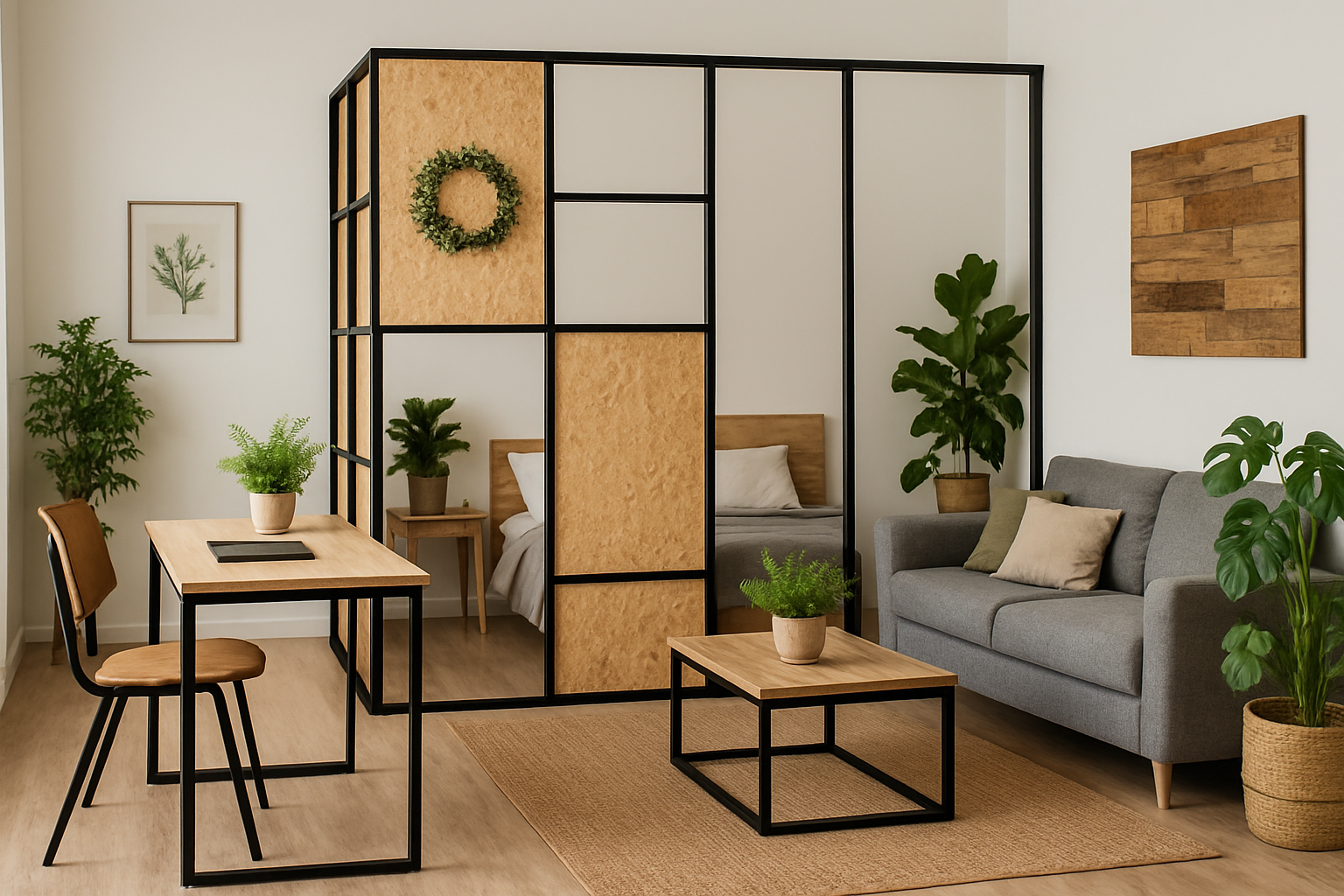
Amid shifting work patterns and sustainability demands, homeowners and designers are embracing modular layouts and upcycled elements to create flexible, eco-friendly living spaces. From DIY partition walls to biophilic accents, the trend blends practicality with personal expression, transforming ordinary rooms into multifunctional havens.
The concept of a fixed floor plan is giving way to adaptable interiors that flex with changing lifestyles. As remote work and hybrid schedules become more entrenched, living spaces need to accommodate home offices, exercise corners, relaxation nooks and guest accommodations without major renovations. Data from recent industry surveys show that nearly two thirds of urban residents value flexibility in their living quarters more than ever before. In response, architects, product designers and DIY enthusiasts are pioneering solutions that combine modular furniture, reclaimed materials and discreet technology to redefine what a home can be.
Across several major cities, pop-up design studios are showcasing sample layouts that transform a single room in seconds. Lightweight, interlocking partitions crafted from recycled plastic or sustainably harvested bamboo slide into floor tracks to create private meeting pods in the morning and open lounge zones by evening. Homeowners report saving thousands of dollars by avoiding demolition costs and reusing these systems whenever they move. In one Berlin apartment block, residents have formed co-op groups to share a single set of such partitions, rotating them between units as needed and reducing per-household expenses.
At the heart of this trend is upcycling: breathing new life into old furniture and materials. Rather than buying brand-new office desks and shelving, many are turning to local salvage yards and online marketplaces for sturdy timber, vintage metal frames and architectural scrap. An interior design collective in Chicago recently launched an online guide detailing how to upcycle arched window frames into sliding barn-door systems, complete with hardware sourced from reclaimed factory floors. This approach avoids depleting natural resources, keeps material out of landfills and adds a unique, story-rich aesthetic to modern interiors.
In a suburban townhouse outside Vancouver, a couple converted an unused attic into a hybrid studio and guest suite using salvaged shipping-crate planks for flooring and metal trusses from a decommissioned warehouse for support beams. They installed flexible track lighting systems powered by solar panels on the roof, yielding an illuminated workspace even on overcast days. Their only investment in new materials was high-performance foam insulation, chosen for its recycled content and airtight seal. The end result is a cozy retreat that reflects the couple’s environmental values without sacrificing comfort or style.
Technology now stands ready to enhance these adaptable interiors without imposing rigid installations. Wireless sensors that detect occupancy and adjust lighting or temperature zone by zone have become surprisingly affordable. One homeowner installed rechargeable motion detectors that trigger warm LED strips under shelving units when someone enters a walk-in closet, eliminating harsh overhead lights. Others use compact smart modules that clip onto existing baseboards, communicating with a central hub to learn daily routines and optimize energy use. Industry analysts estimate that such plug-and-play devices could reduce household energy bills by up to 15 percent when combined with user-driven scheduling.
Biophilic design principles are also influencing this modular renaissance. Bringing nature indoors has been linked to lower stress levels, improved concentration and heightened creativity. Designers are embedding planters into partition systems, creating living walls that both divide space and purify the air. In one New York loft, a retractable shelving unit doubles as a vertical herb garden, complete with drip irrigation and LED grow lights concealed under each shelf. Residents cultivate basil, mint and microgreens year-round, enriching meals and reinforcing the sense of a living, breathing home.
Even small apartments can benefit. Urban renters are opting for furniture pieces that incorporate built-in greenery, such as bench seats with integrated planter boxes or coffee tables that house succulents in recessed trays. The tactile texture of live leaves against smooth countertops offers a sensory balance that many find grounding when surrounded by concrete and glass.
Professionals in the field emphasize the importance of thoughtful planning and gradual experimentation. According to a recent interview with a London-based interior architect, “Start small, with a single multifunctional piece or a modular partition system in one room. Track how your household uses the space throughout different times of day and adjust accordingly. Over time, you’ll build a toolkit of elements that can be mixed and matched, customized or stored away.” This iterative approach allows homeowners to refine their environment without committing to expensive or permanent alterations.
Practical steps to get started often include sourcing quality secondhand materials, measuring existing rooms precisely, and sketching out multiple layouts on paper or with inexpensive design apps. Many communities host tool libraries where miter saws, drills and paint sprayers can be borrowed for a fraction of the retail cost. Local maker spaces sometimes offer workshops on basic carpentry or electronics, empowering first-time DIYers to tackle modular shelving or simple lighting circuits.
– Assess your current space usage and list competing needs (workstation, guest bed, workout area, storage).
– Research modular partition and furniture systems that suit your budget and aesthetic-consider track-mounted panels or freestanding screens.
– Scout upcycling sources: salvage yards, deconstruction sites, freecycling apps-seeking solid framing materials and hardware.
– Integrate biophilic elements early: portable planters, hanging pots or kit-based living wall units.
– Pilot plug-and-play smart sensors for lighting and temperature zoning before reconfiguring walls or flooring.
– Enroll in community workshops or tool-sharing programs to sharpen practical skills and reduce upfront costs.
The move toward adaptive living spaces is more than a design trend; it reflects shifting priorities. Homeowners today demand sustainable practices, emotional well-being and the capacity to pivot environments as life changes. Whether accommodating a growing family, shifting to a remote-work schedule or simply craving variety, flexible interiors offer a blueprint for resilient living. Designers and do-it-yourself enthusiasts alike see this evolution as a lasting transformation: spaces are defined not by fixed walls, but by ever-evolving lifestyles and the creative ambitions of those who inhabit them.