Location
Mount Vernon, WA 98274
Location
Mount Vernon, WA 98274

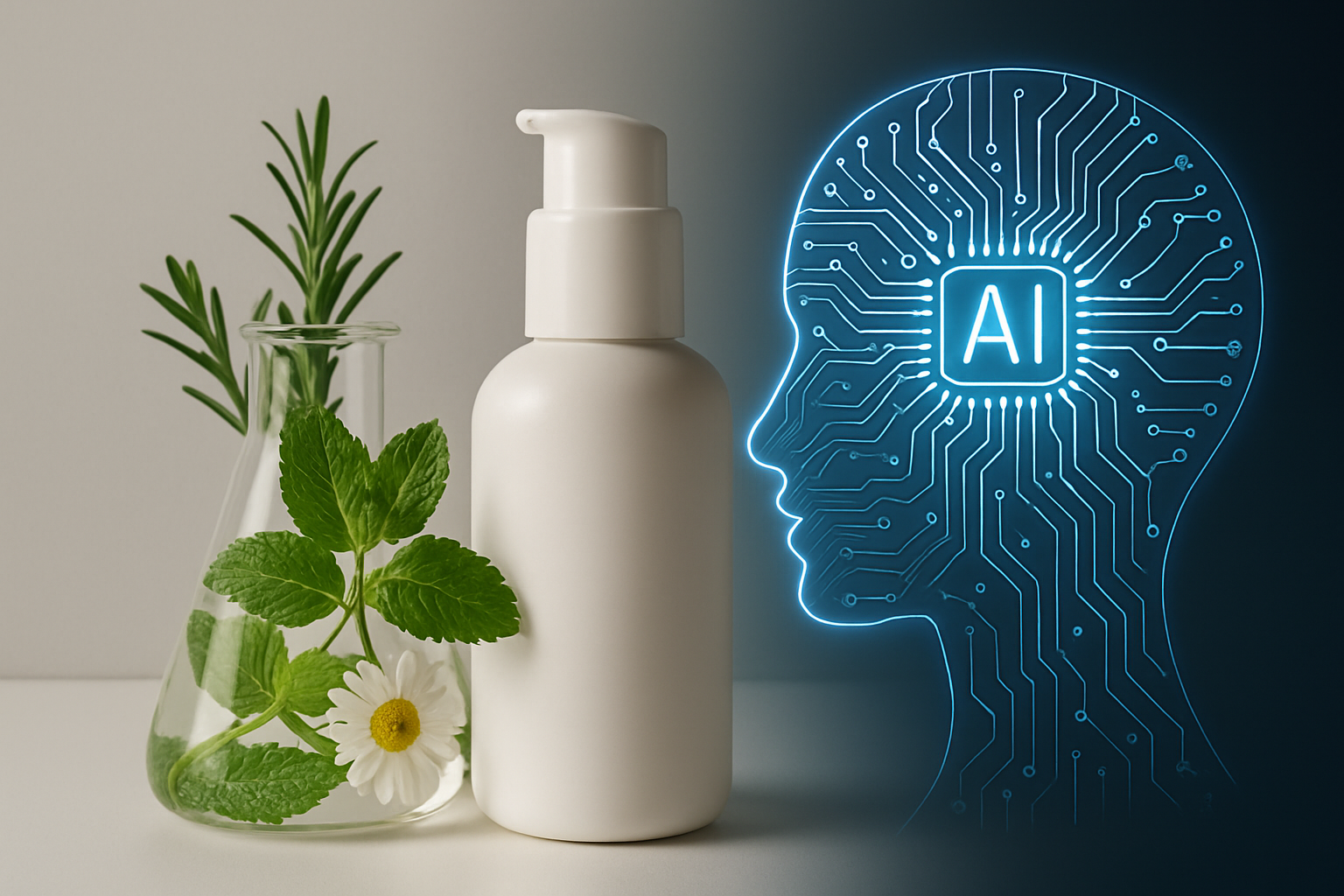
An emerging wave in skincare blends time-tested botanical wisdom with cutting-edge artificial intelligence. From personalized ingredient profiles to eco-minded lab processes, hybrid beauty is redefining how we approach healthy skin routines.
An industry trade show in Seoul last year brought together small-batch herb farmers from Jeju Island and tech developers from Silicon Valley, embodying a new era in skincare that blends ancient botanical remedies with AI-driven personalization. Visitors sampled bio-fermented elixirs formulated with centuries-old herbal practices alongside demonstrations of smartphone apps that map skin moisture levels in real time. This convergence, often dubbed “hybrid beauty,” is accelerating a shift in how consumers, dermatologists, and research labs think about efficacy, sustainability, and data privacy.
In a market projected to exceed $200 billion this decade, brands are racing to offer formulas that deliver measurable results while honoring ingredients’ cultural heritage. A 2022 study published in the Journal of Dermatological Science found that fermented plant extracts can boost skin barrier function by up to 18 percent compared to non-fermented counterparts. Yet those results only tell half the story. Today’s pioneers believe that marrying that potency with AI analysis unlocks new levels of personalization.
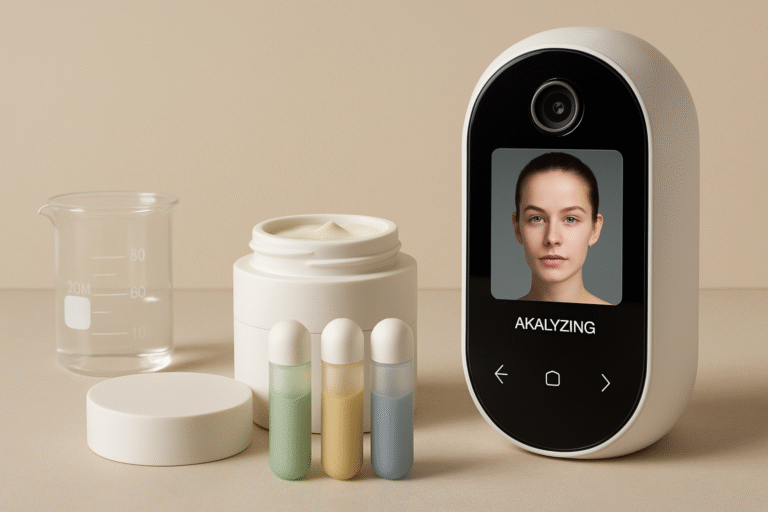
Consumers increasingly seek routines tailored to their unique skin chemistry. Last spring, a Netherlands-based beauty startup introduced an at-home skin scanner that uses fluorescence imaging to detect free-radical damage, hydration levels, and melanocyte activity. A companion app then cross-references those readings against a growing database of botanical profiles-from centuries-old Korean ginseng fermentations to Amazonian acai micro-encapsulations-to recommend a three-step regimen in under five minutes. Early adopters report not just clearer complexions but a deeper connection to the natural origins of their products.
Balancing Tradition and Technology
Hybrid beauty pioneers are quick to emphasize emotional intelligence alongside clinical performance. While many consumers appreciate the precision of algorithmic recommendations, they also crave human context around ingredient sourcing, ritual, and skin positivity. An executive at a New York-headquartered lab recently explained that they engage with indigenous farmers in Madagascar who cultivate tamanu oil in community-run cooperatives. Insights from those collaborations inform both the final formulas and the storytelling that fosters consumer trust.
To maintain authenticity, several companies have turned to blockchain-enabled supply-chain tracking. Through digital ledgers, end users can scan a QR code on packaging to trace each ingredient’s journey-from seed selection and fermentation to final bottling. This transparency resonates with privacy-savvy shoppers who also demand clear consent protocols for any data captured by at-home scanning devices. According to a 2023 survey by the International Beauty Council, 61 percent of respondents would pause using a smart beauty tool if they felt their biometric data was stored without explicit permission.
Elevating Sustainability
Another pillar of hybrid beauty is environmental stewardship. Fermentation itself can be a greener alternative: by valorizing agricultural by-products-like grape pomace left over from winemaking-labs produce potent antioxidant serums that would otherwise end up as waste. Some pioneers even harvest microscopic algae from bio-reactors powered by solar energy, creating renewable sources of hyaluronic acid.
Packaging innovation has kept pace. Refillable glass pods, sugar-cane-derived tubes, and post-consumer recycled paper for outer cartons are emerging as near-ubiquitous standards among high-end and indie labels alike. One UK-based brand unveiled a compostable cushion compact made from hemp fibers, aiming to reduce microplastic pollution associated with conventional plastics. Such efforts align with recent findings from the World Wildlife Fund, which estimate that nearly 290,000 tons of microplastics enter aquatic ecosystems each year due to beauty product packaging alone.
Breaking Down the Consumer Experience
The hybrid beauty experience is richer than just ingredient lists and data dashboards. Retail spaces are evolving into interactive labs. In Tokyo, a flagship store invites visitors to step into a moisture-mapping kiosk before blending their own serum on-site. In Berlin, a pop-up exhibit allows guests to walk through digital projections of fermentation vats while sampling probiotic toners.
Brand ambassadors often include estheticians trained not only in skin science but also in guided visualization and mindfulness techniques. By integrating breathing exercises and short meditative prompts between each application step, these rituals aim to reduce skin stress as much as they address dryness or breakouts. This holistic approach reflects a growing recognition-backed by a 2021 review in the International Journal of Cosmetic Science-that stress hormones can accelerate visible signs of aging.
Potential Pitfalls and Ethical Considerations
Despite the buzz, hybrid beauty is not without controversy. Some critics question whether algorithmic profiling could inadvertently reinforce narrow standards of “normal” skin or marginalize certain skin conditions. Others warn that small labs may struggle to maintain strict quality controls as they scale fermentation processes.
Data privacy remains another flashpoint. While blockchain tracking addresses ingredient transparency, the biometric data captured by apps and devices often enters a parallel ecosystem. A recent incident involving a facial-scanning startup-where user images were inadvertently shared with third-party analytics firms-highlighted the need for stronger regulation. Industry groups are now drafting guidelines that might mirror the European Union’s General Data Protection Regulation, applying those principles to sensitive skin metrics.
Looking Ahead: What Consumers Can Expect
In the next year, hybrid beauty brands are set to unveil multi-modal devices that combine light therapy, micro-current stimulation, and personalized essence infusion in a single handheld gadget. Early prototypes demonstrated at a wellness summit in Dubai incorporated temperature sensors to gauge inflammation before emitting red or blue LED waves matched to each user’s profile.
Researchers are also exploring gene-editing microbes that could produce rare bioactive compounds on demand, reducing reliance on overharvested botanical species. While such technologies remain in early trials, they raise important questions about biosafety and intellectual property rights for indigenous communities whose knowledge inspired the formulas.
For at-home enthusiasts, the key takeaway is that simplicity still matters. Even the most advanced AI system can’t override fundamental principles: gentle cleansing, adequate sun protection, and consistent hydration. By weaving together age-old botanical traditions with modern tech, hybrid beauty offers an invitation to reclaim skincare as a mindful, data-informed ritual rather than a chore.
As brands continue this journey, consumers can look for third-party certifications-such as Ecocert for organic ingredients, Fair For Life for ethical sourcing, and ISO standards for data governance-to guide their choices. The future of skincare rests not just on what we apply to our skin, but on how we integrate those applications into a balanced, informed, and sustainable lifestyle.