Location
Mount Vernon, WA 98274
Location
Mount Vernon, WA 98274


An unprecedented surge in astronomical discoveries and community-driven projects is fueling cosmic curiosity among enthusiasts worldwide. From cutting-edge space telescopes to backyard observatories, readers can learn how to join the quest to understand our universe.
A Renaissance of Wonder
Astronomy has long captured the human imagination, but recent breakthroughs have reignited a collective passion for exploring the cosmos. Groundbreaking imagery from advanced space telescopes reveals galaxies, nebulae, and star clusters with unprecedented clarity. Meanwhile, transient events such as fast radio bursts and supernovae captivate both professional astronomers and backyard stargazers. This blending of high-end science and grassroots participation marks a renaissance of wonder, blurring the lines between experts and curious newcomers.
Cutting-Edge Discoveries Fuel Grassroots Engagement
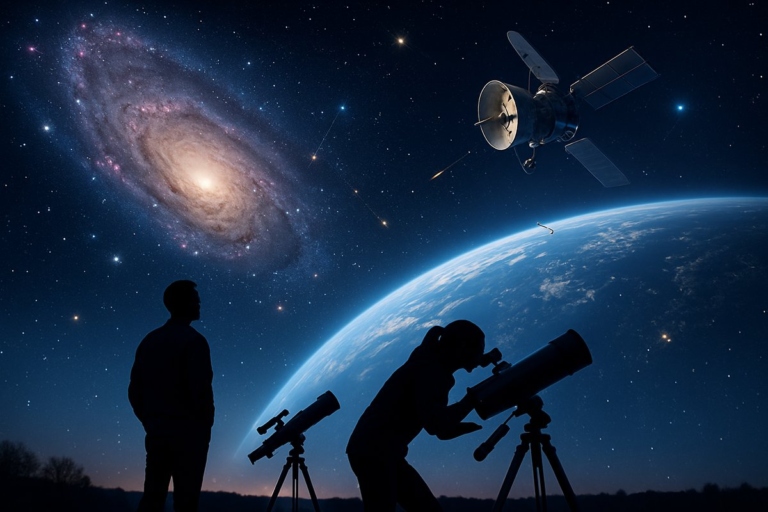
Observatories orbiting Earth and ground-based arrays have detected hints of water vapor on distant exoplanets, while surveys at visible and infrared wavelengths chart the birthplaces of stars. One global network reported dozens of fast radio bursts traced back to a magnetar in a nearby galaxy. Each discovery prompts lively debates online and inspires citizen scientists to comb through public datasets. The James Webb Space Telescope’s first cosmic snapshots sparked viral discussions, proving that stunning visuals can drive community engagement and elevate public understanding of complex phenomena.
Citizen Science Takes Center Stage
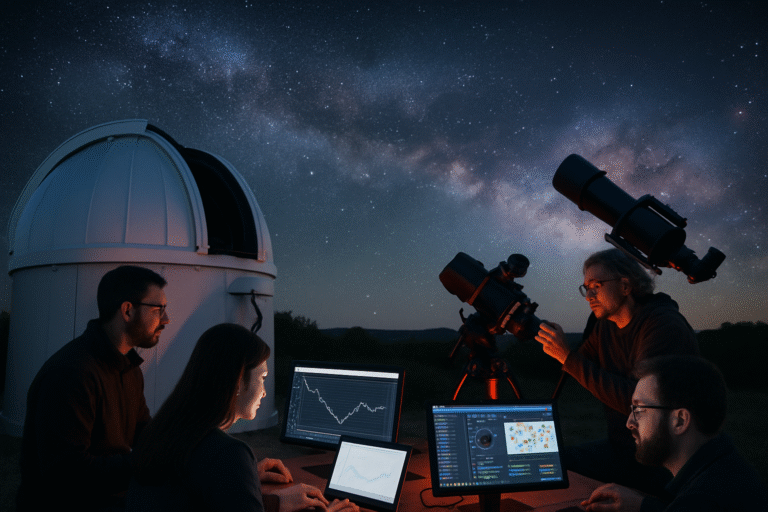
Online platforms now house petabytes of astronomical data, inviting anyone with an internet connection to contribute. Projects hosted on volunteer science portals ask participants to classify galaxy shapes, search for unusual patterns in radio signals, or help verify exoplanet candidates. These communities offer training modules, discussion forums, and live Q&A sessions with astronomers. By turning valuable research tasks into interactive puzzles, citizen science transforms passive interest into meaningful collaboration.
From Backyard Telescopes to Remote Observatories
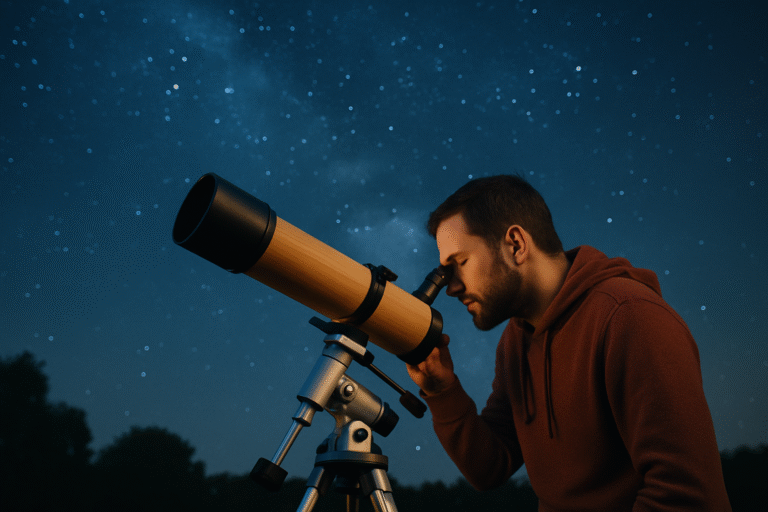
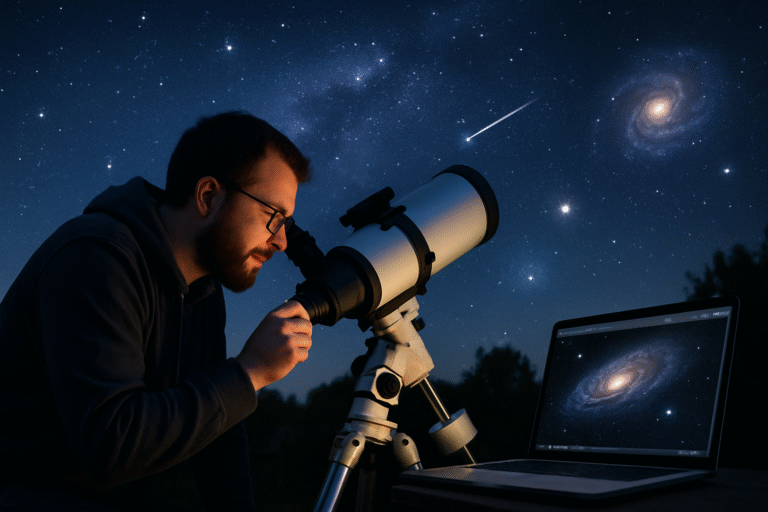
Technological advances have made telescopes more affordable, lighter, and easier to use. Portable refractors and Schmidt-Cassegrain designs now come with computerized mounts that automatically align using GPS and star-pattern recognition. For those without a dark sky in their backyard, remote observatory services offer time slots on high-aperture telescopes located in desert or mountain locations. Users can submit imaging or spectroscopic requests via web interfaces and receive high-resolution data for personal projects or academic research.
Multispectral Exploration Beyond Visible Light
Observing the cosmos extends beyond what the human eye can see. Amateur groups now experiment with narrowband filters to isolate hydrogen-alpha and oxygen-III emissions, revealing the intricate filaments of nebulae. Infrared-sensitive cameras capture dust-enshrouded star-forming regions, while solar filters allow safe daytime viewing of the Sun’s surface and prominences. Even radio astronomy kits have become accessible, enabling hobbyists to detect signals from pulsars and the hydrogen line at 21 centimeters.
Astrophotography as a Creative and Scientific Outlet
Astrophotography merges art and science, transforming celestial targets into vibrant images. Affordable CMOS cameras and stacking software let beginners produce deep-sky photographs that rival older professional gear. Post-processing tools enhance contrast, remove noise, and reveal hidden structures. Photographers share their work in online galleries, participate in image-processing contests, and publish open-access tutorials. These activities not only sharpen visual storytelling skills but also contribute to public databases that scientists can consult for long-term monitoring of variable objects.
Building Community Through Star Parties and Virtual Events
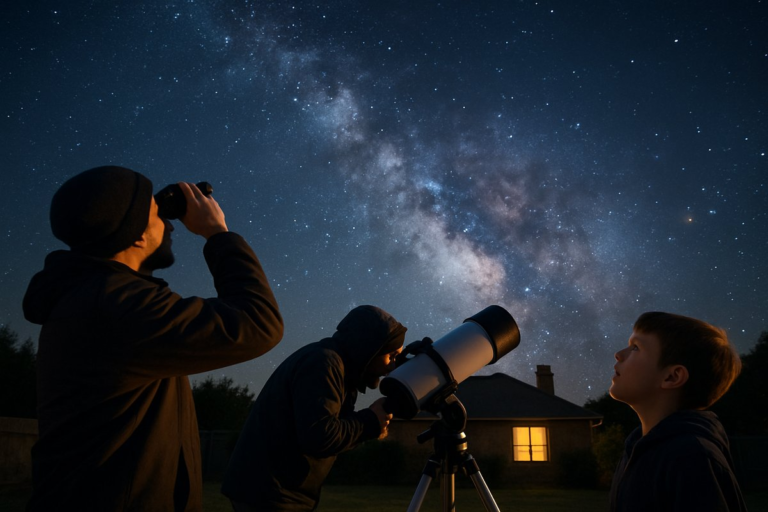
Local astronomy clubs host star parties in rural areas, inviting newcomers to view planets, star clusters, and the Milky Way’s core through multiple telescopes. Club members often demonstrate how to align equatorial mounts, calibrate tracking systems, and navigate sky-mapping apps. Concurrently, virtual events streamed from research institutions showcase live feeds from robotic telescopes, interactive workshops, and expert panel discussions. These hybrid gatherings nurture mentorship, spark lifelong friendships, and create a sense of shared purpose across continents.
Educational Pathways for Novice Explorers
Universities and nonprofit organizations offer free or low-cost courses in astrophysics, observational techniques, and data analysis. Many include hands-on assignments using real telescope archives. Open-source textbooks, interactive simulations, and comprehensive glossaries demystify terminology such as redshift, light curves, and spectral lines. Learners can progress from identifying constellations to calculating orbital periods of solar system bodies or estimating supernova energy output using photometric data sets.
Ethical and Sustainable Practices in Astronomy
As global interest in cosmic exploration grows, so does awareness of the environmental impact of observatories and satellite constellations. Communities advocate for dark sky preservation, urging policymakers and corporations to minimize light pollution. Sustainable practices include low-impact observatory construction, energy-efficient cooling systems, and collaborative sky-brightness monitoring. Amateur groups participate in regional campaigns to educate neighbors on shielding outdoor lighting, protecting wildlife, and maintaining the pristine quality of night skies.
The Role of Artificial Intelligence and Machine Learning
Machine learning algorithms are revolutionizing how we sift through astronomical data. From automating galaxy classification to predicting stellar flares, AI tools free researchers to focus on interpretation and theory. Citizen scientists can access simplified versions of these models to verify automated results or train new networks with labeled datasets. Integration of AI into hobbyist workflows accelerates discoveries and fosters deeper understanding of computational methods driving modern astronomy.
Looking Ahead-From Lunar Bases to Interstellar Probes
Public fascination with the Moon, Mars, and beyond continues to shape research agendas. Plans for crewed lunar habitats include testing technologies for radiation shielding and resource extraction. Experiments in low-gravity biology and materials science promise breakthroughs in medicine and manufacturing. Meanwhile, proposals for interstellar precursor missions target the nearest star systems with small, laser-propelled probes. The concept of achieving cruising velocities at a fraction of light speed once belonged to science fiction; now it drives interdisciplinary collaboration among engineers, physicists, and ethicists.
Your Invitation to Cosmic Curiosity
Whether you’re peering through an achromatic refractor in your backyard or analyzing archival spectra on a laptop, your participation matters. Every logged observation, annotated image, or classification vote contributes to our collective understanding of the universe. Cosmic curiosity thrives on shared discovery, inclusivity, and the belief that the next major breakthrough might emerge from an unexpected corner of the globe. Join a local astronomy club, enroll in an online course, or simply step outside on a clear night-your next cosmic revelation could be just above your horizon.