Location
Mount Vernon, WA 98274
Location
Mount Vernon, WA 98274

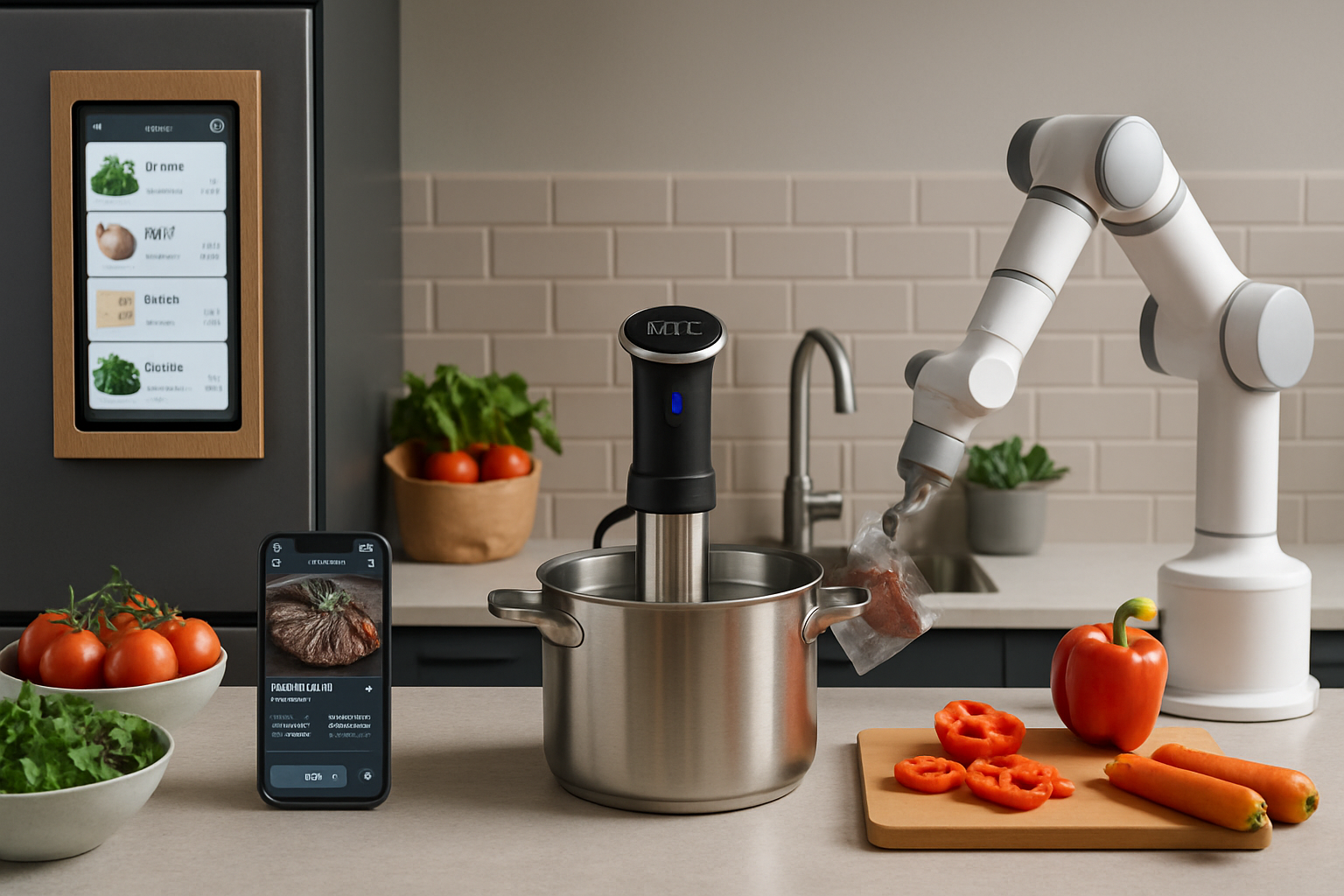
From intelligent pantry management to precision sous-vide and countertop robotics, a new wave of kitchen innovations is reshaping the way we cook, shop, and reduce waste. This article explores the latest advances in food tech, sustainability features, and automation tools that promise smarter, greener, and more creative meals.
Home kitchens are entering a new era driven by data, connectivity, and automation. While smart ovens and app-guided cooking have become familiar, recent breakthroughs are taking kitchen technology far beyond simple temperature control. From AI-powered meal planning and refrigerator sensors that track freshness to countertop robots that chop, stir, and even plate dishes, technology is redefining daily cooking rituals. These innovations promise not only convenience but also reduced food waste, energy savings, and new creative possibilities. In this article, we survey the most impactful advances set to reshape our relationship with food at home.
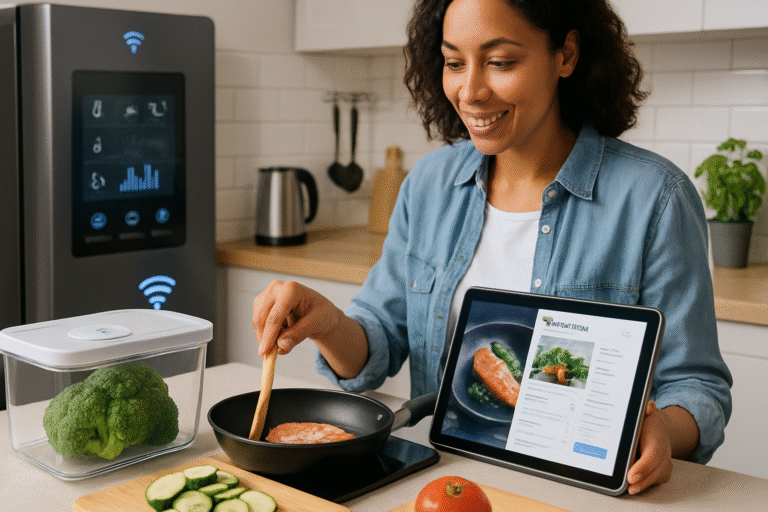
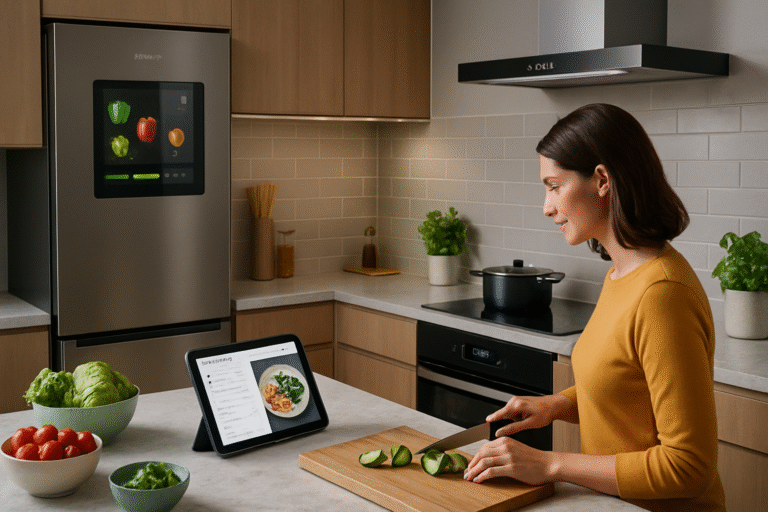
Internet of Things (IoT) devices and artificial intelligence are increasingly integrated into meal preparation. Smart refrigerators now feature built-in cameras and barcode scanners that recognize produce and packaged goods. Companion apps send alerts when an item’s expiration date is nearing, recommend recipes based on on-hand ingredients, and generate automated shopping lists. AI algorithms analyze usage patterns-such as peak cooking times and frequently prepared dishes-to suggest weekly meal plans tailored to dietary goals.
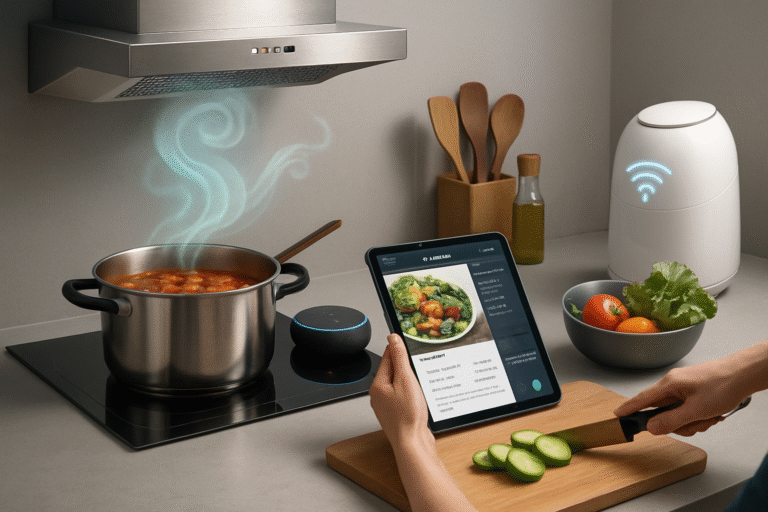
More advanced systems tap into cloud-based recipe databases. After selecting a desired dish, the oven or stovetop can preheat to an optimized temperature, adjust cooking time in real time based on internal sensors, and notify the cook when each step is complete. Voice assistants also connect to these appliances, enabling hands-free commands for timing, temperature changes, or switching to a different cooking mode. Together, IoT and AI are shifting kitchens from reactive spaces-where we respond to what’s on the shelf-to proactive hubs that anticipate needs before they arise.
Precision temperature control has long been prized by professional chefs, and now it’s accessible to home cooks. Sous-vide machines with Wi-Fi connectivity allow users to set exact immersion temperatures and durations through mobile apps. Real-time monitoring ensures that water stays within a degree of the target temperature, delivering meats, fish, and vegetables with restaurant-quality textures.
Meanwhile, induction cooktops with multiple zones are able to detect pan size and distribute heat with 1°C accuracy. Some models include built-in scales so that ingredients can be weighed directly in the pot, streamlining one-pot recipes and reducing cleanup. Ultrasonic tools for rapid emulsification, vacuum sealers for marinating, and even home-scale thermal immersion circulators are joining the lineup of precise cooking aids-empowering cooks to try complex techniques without fear of overcooking or underseasoning.
Countertop robotics is emerging as one of the most headline-grabbing segments of kitchen technology. Compact robotic arms that chop vegetables, knead dough, and stir sauces are now engineered for home kitchens. These devices combine computer vision with specialized end-effectors-tools that mimic knives, whisks, or spatulas-to perform repetitive tasks with consistent speed and safety.
Several offerings integrate recipe software that guides the robot through each preparation stage. Users load ingredients into designated bins, select a recipe from the device’s touch interface or smartphone app, and watch as the robot sequences tasks: peeling, slicing, portioning, and stirring in precise order. This automation not only frees cooks from menial prep but also enables experimentation with multi-step recipes that previously felt too labor-intensive for weekday meals.
Globally, nearly one-third of food produced goes uneaten, and households are a major contributor. In response, innovative sensors are being embedded in containers and packaging. These sensors measure ethylene gas-a natural byproduct of ripening-and moisture levels to calculate real-time freshness scores. When produce passes a quality threshold, the system sends an alert and suggests recipes using those soon-to-spoil items.
On the disposal side, countertop smart composters can transform food scraps into nutrient-rich soil enhancers in as little as 24 hours. Unlike traditional compost piles, these units use a combination of heat, grinding, and aerobic microbes to accelerate breakdown while neutralizing odors and pathogens. Users simply deposit peels, coffee grounds, and leftover bits into a sealed chamber; the machine circulates air and moisture to maintain ideal conditions. The result is a sustainable loop that turns waste into garden gold, reducing landfill contributions and greenhouse-gas emissions.
Environmental impact is at the forefront of appliance design. New refrigerator models employ advanced insulation materials, variable-speed compressors, and refrigerants with lower global-warming potential. Induction cooktops boast faster heat-up times and minimal residual heat, cutting energy consumption compared to traditional electric or gas burners. Dishwashers now calibrate water usage to the load size and soil level, while smart washers and dryers schedule cycles during off-peak energy hours to lighten grid demand.
Beyond energy use, many manufacturers are moving toward modular designs that make repairs and upgrades easier. Instead of replacing an entire oven control panel, for example, consumers can swap out just the touchscreen interface or Wi-Fi module. This approach extends appliance lifespan, reduces electronic waste, and encourages a repair-rather-than-replace mindset.
While 3D-printed food and lab-grown meat frequently capture headlines, practical applications for home cooks remain in early stages. Experimental 3D printers can layer pureed vegetables into decorative shapes or extrude protein pastes for plant-based burgers. As paste consistency and print resolution improve, customized nutritional bars and fortified snacks may become commonplace in specialized kitchen gadgets.
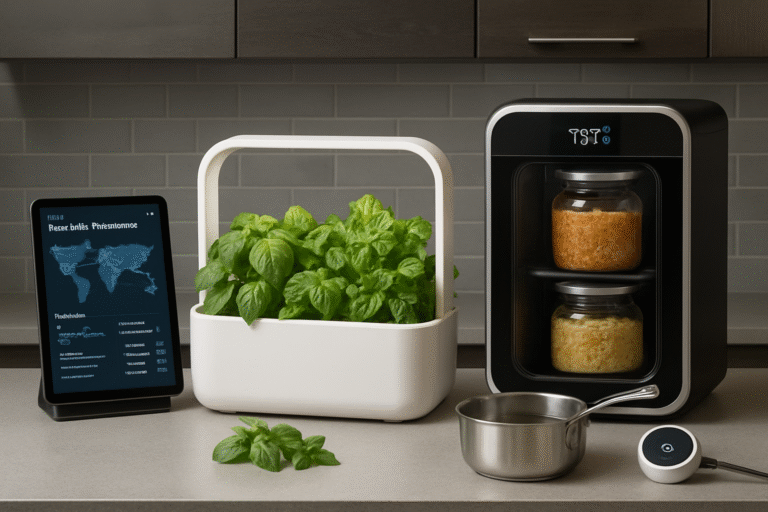
Biotechnology also promises personalized nutrition. Emerging services analyze individual microbiomes to recommend optimal fermentations and probiotic-enhanced foods. Home fermenters that maintain precise temperatures for kimchi, yogurt, or kombucha are bridging traditional culinary culture with data-driven health insights. While full-scale cellular agriculture may require specialized lab setups, small-batch fermentation is within reach of most enthusiasts.
With so many gadgets on the market, selecting the right tools can feel overwhelming. Start by identifying your top cooking pain points. If meal planning and waste are your biggest concerns, explore smart fridge sensors and meal-planning apps. For cooks who crave precision, a Wi-Fi-enabled sous-vide immersion circulator or induction hob may deliver the greatest bang for the buck.
Next, look for connectivity standards that ensure interoperability. Appliances supporting open protocols or popular smart-home ecosystems tend to play well together, reducing compatibility headaches. Consider whether you want a device with a dedicated touchscreen or one that primarily relies on a companion app-each offers its own trade-offs in terms of user experience and long-term support.
Finally, think about future-proofing. Modular designs and updatable firmware can extend an appliance’s useful life. Many vendors now offer subscription services for recipe libraries, firmware upgrades, or sensor-data analytics-features that can add value without requiring new hardware each year.
The kitchen is evolving from a collection of standalone tools into a connected ecosystem. As AI, robotics, and sustainability measures converge, home cooking will become more efficient, personalized, and eco-friendly. These technologies not only free up time and reduce waste but also empower home cooks to experiment with complex techniques once reserved for professional settings. By taking a measured approach-focusing on pain points, interoperability, and longevity-consumers can harness the best of modern kitchen tech while minimizing clutter and unnecessary expense. Whether you’re a weekend baker or a weekday meal master, the next revolution in food preparation is already simmering.