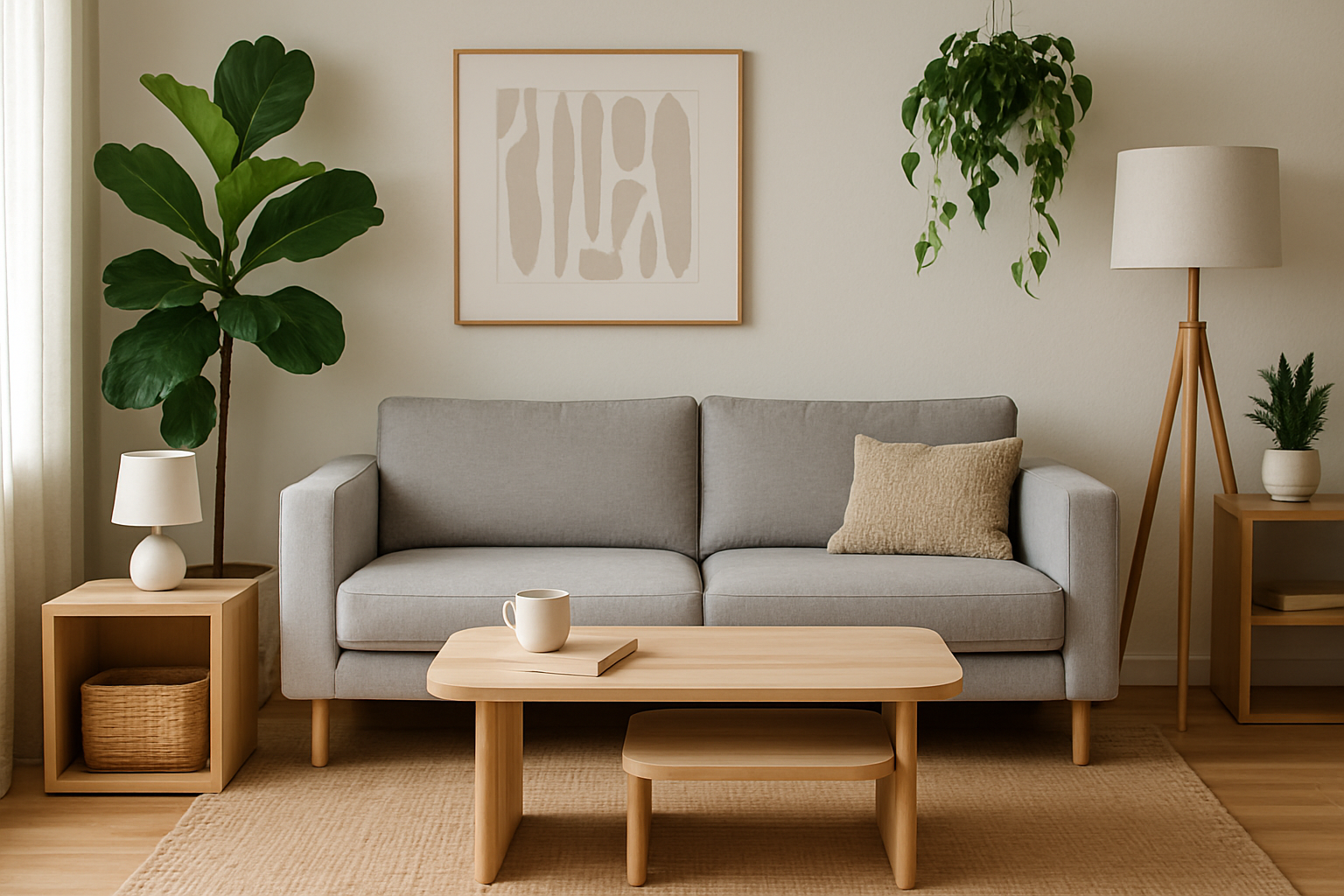
Featured image

Next-Generation Home Design: Smart, Sustainable, and Space-Savvy Solutions for Every Dwelling

From modular furniture that adapts to changing needs to biophilic touches that bring the outdoors inside, modern dwellings are evolving into versatile, eco-conscious havens. This article explores actionable strategies-from DIY weekend projects to mindful tech integration-to help any homeowner cultivate a stylish, comfortable, and sustainable living environment.

This post contains affiliate links. If you buy something, I may earn a small commission—no extra cost to you, and it helps keep the lights on.

Contemporary homeowners face a dual challenge: making the most of limited square footage while reducing their environmental impact. With rents rising in urban centers and consumer demand shifting toward greener lifestyles, creative approaches to design and living have taken center stage. No matter the size of your residence-be it a compact studio or a roomy suburban home-you can employ a suite of strategies that blend functionality, sustainability, and emotional well-being. Below, you’ll discover practical tips, design insights, and DIY ideas to transform any space into a next-generation sanctuary.

Rethinking Space with Modular and Multipurpose Furniture

One of the most effective ways to maximize limited space is to choose pieces that serve more than one purpose. Modular furniture has surged in popularity thanks to its ability to adapt as needs evolve. Today’s offerings include everything from sofa sections that can finagle into daybeds, to folding desks that tuck away when not in use.

Key considerations when selecting multipurpose pieces:

  • Scalability: Pick units that can expand or contract. For example, a nesting coffee table set can extend to serve guests, then collapse to free up floor space.
  • Ease of assembly: Look for snap-in connectors or tool-free hardware so you can experiment with layouts without frustration.
  • Durability: Sustainable materials like bamboo, recycled steel, or certified hardwoods stand up to frequent reconfiguration and reduce the need for future replacement.

By mixing and matching these elements, you can craft a living room that transforms into a coworking zone, or a guest room that converts into a home theater in minutes.

Bringing Nature Indoors with Biophilic Design

Biophilic design-an approach that seeks to reconnect occupants with the natural world-can boost mood, enhance air quality, and make compact areas feel more spacious. Introducing living elements is simple and adaptable to any room.

  • Vertical gardens: Wall-mounted planters or modular green walls let you grow herbs and air-purifying plants without sacrificing floor real estate. A system of interlocking panels can be customized to fit a stairwell, balcony, or home office corner.
  • Potted trees and shrubs: Select slow-growing varieties to maintain control over canopy size. A dwarf lemon tree or a compact fiddle-leaf fig can thrive in a sunny window and provide visual interest.
  • Natural materials: Incorporate stone accents, woven baskets, and raw-edge wood to evoke organic textures. Even small touches-a cork bulletin board, a rattan pendant lamp-invite a sense of grounding.

Whether you have a sprawling loft or a tiny bedroom, bringing greenery indoors fosters a calming atmosphere and signals a commitment to environmental wellness.

Integrating Smart Home Technology Mindfully

Smart home devices offer convenience, energy savings, and an opportunity to streamline daily routines. Yet over-automation can produce data privacy concerns or a fragmented user experience. The key is to select technologies that deliver clear value while respecting boundaries.

  • Automated lighting: Programmable LED bulbs and motion-sensing switches can reduce electricity usage and eliminate the chore of manually adjusting multiple lamps. Group lights by zone-kitchen, reading nook, hallway-to ensure only necessary areas illuminate.
  • Smart climate control: Learning thermostats adapt to your schedule and adjust heating or cooling only when rooms are occupied. Many models integrate occupancy sensors or tie into window-and-door sensors to avoid conditioning an empty home.
  • Voice assistants with privacy settings: If you opt for a voice-controlled hub, review default data retention policies and disable features you don’t need. Local-only or edge-processing devices can handle basic commands without sending recordings to the cloud.

By choosing a few high-impact smart devices, you can reduce energy waste, add convenience, and maintain control over your personal data.

Sustainable Materials and Mindful Consumption

Selecting sustainable materials and embracing secondhand treasures carry both ecological benefits and distinctive style potential. Rather than chasing the latest decor fads, curate pieces that tell a story while minimizing waste.

  • Upcycled furniture: Scour local thrift shops or salvage yards for solid-wood tables, vintage chairs, and reclaimed doors. A coat of low-VOC paint and new upholstery can transform these finds into bespoke focal points.
  • Rapidly renewable materials: Bamboo, cork, and agricultural byproducts like rice-husk composites are gaining traction in flooring, countertops, and wall panels. They replenish quickly and often require less processing than conventional options.
  • Textiles with transparency: Woven rugs, curtains, and throw pillows made from certified organic cotton or linen support fair labor practices. Look for clear labeling on fiber origin and dyeing methods.

These choices not only lower your home’s carbon footprint, they also encourage a more thoughtful relationship with the things you own.

Emotional Design: Crafting Purposeful Zones

Open-plan layouts can feel airy, but without intentional design they often lack a sense of privacy and purpose. By delineating distinct zones, you foster emotional well-being and help each activity feel more satisfying.

  • Color and texture: Warm neutrals and natural hues work well for relaxed areas like reading corners. Rich jewel tones or accent walls can energize workstations or dining spots.
  • Area rugs and floor cushions: Layering rugs under furniture arrangements anchors individual zones, while floor cushions or poufs create casual seating that’s easy to move.
  • Lighting tiers: Combine overhead fixtures with task lamps and ambient uplighting. Dimmable switches allow you to tailor brightness for productivity, meditation, or entertaining.

Even in a studio apartment, you can simulate separate rooms by thoughtfully arranging furniture, varying materials, and adjusting lighting for each purpose.

DIY Weekend Projects and Routine Maintenance

Often, the difference between a functional space and an inviting one boils down to small updates and consistent upkeep. Carving out time for quick DIY projects pays dividends in both style and durability.

  • Peel-and-stick accents: Removable vinyl tiles, wallpaper strips, and backsplash decals let you experiment with color and pattern risk-free. These self-adhesive options peel off cleanly when you’re ready for a fresh look.
  • Magnetic strips and pegboards: Install a metal kitchen strip for knives and utensils, or place pegboards in entryways to hang keys, reusable bags, and small potted plants. They keep essentials visible and off surfaces.
  • Cord management solutions: Cable sleeves, under-desk trays, and adhesive clips prevent tangles and tripping hazards. A well-organized workspace or media corner instantly feels less cluttered.
  • Seasonal inspections: Set quarterly reminders to check seals around windows, dust air vents, and lubricate sliding doors. Proactive maintenance extends the life of your fixtures and keeps energy use in check.

By dedicating just a couple of hours each weekend, you can undertake small upgrades that accumulate into a big improvement over time.

Conclusion: Crafting a Cohesive, Conscious Home

Modern home design is less about following a single trend and more about weaving together strategies that reflect your values, space constraints, and day-to-day needs. Whether you’re a city-dweller fitting out a micro-apartment or a homeowner seeking to downsize without compromise, the right combination of modular furniture, biophilic elements, mindful technology, and sustainable materials can produce a living environment that feels spacious, healthy, and emotionally resonant. By layering these approaches and embracing small DIY efforts, you’ll create a home that not only looks great but also supports a balanced, eco-friendly lifestyle.

Related Products

Spread the word

Leave a Reply

Your email address will not be published. Required fields are marked *