Location
Mount Vernon, WA 98274
Location
Mount Vernon, WA 98274


From reimagined green corridors to community-driven design platforms, cities around the world are evolving with innovative forms of architecture and planning. This article explores practical strategies, case studies, and emerging tools that empower urban spaces to be more sustainable, inclusive, and resilient.
Urban areas are under unprecedented pressure to accommodate rapid population growth, shifting work patterns, and the urgent demands of climate resilience. Traditional approaches-where concrete and asphalt dominate-are giving way to systems that integrate nature, technology, and community engagement. The goal is not merely to build structures but to nurture living ecosystems where residents can thrive. Architects, planners, and local governments are collaborating on strategies that balance density with green space, heritage with innovation, and efficiency with equity.
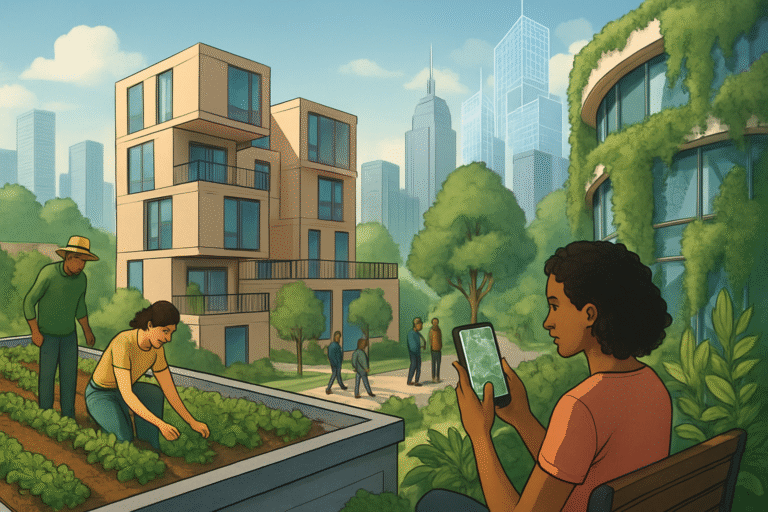
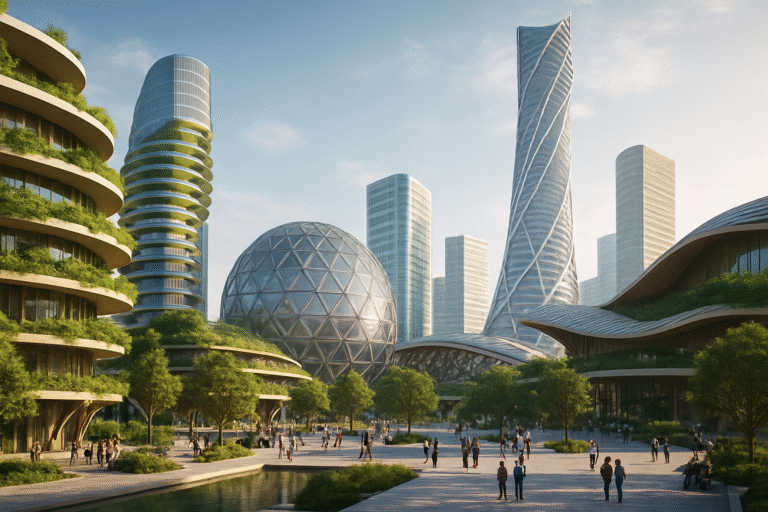
Green infrastructure is no longer an afterthought; it is a foundational design principle. Rooftop gardens, vertical forests, and connected biodiversity corridors are cropping up in projects from mid-sized towns to global metropolises. By weaving vegetation into building facades, designers mitigate the urban heat island effect while improving air quality and mental well-being. Rain gardens and permeable pavements reduce stormwater runoff, protecting city drainage systems during heavy rains. As a result, green design is not only aesthetic but functional-providing food production opportunities, wildlife habitats, and recreational areas within walking distance of dense neighborhoods.
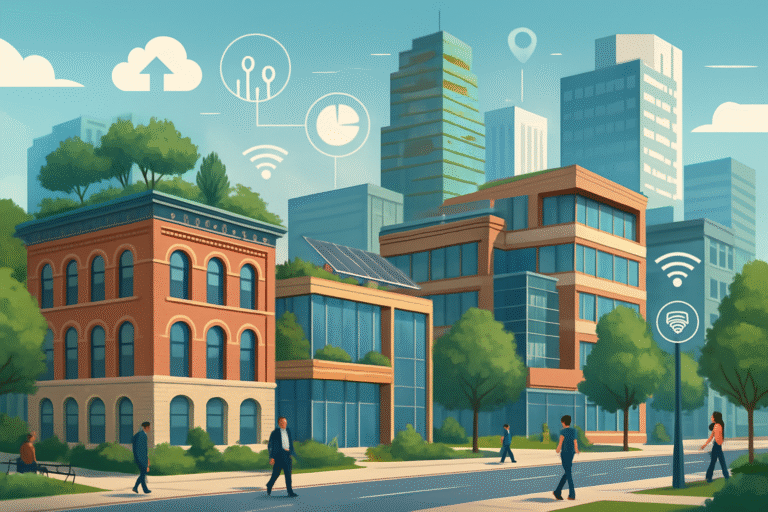
Repurposing existing buildings preserves cultural heritage and reduces construction waste. Across many cities, former warehouses, factories, and even mid-century office blocks are being transformed into mixed-use complexes featuring co-living units, art studios, and performance spaces. Adaptive reuse can cut carbon emissions by up to 50 percent compared with ground-up construction. This approach encourages creative interventions like inserting new glass volumes into brick shells or carving communal courtyards out of abandoned parking lots. Heritage features-timber beams, industrial windows, metal trusses-become artistic focal points rather than relics to discard.
Design decisions are increasingly crowdsourced through interactive workshops and digital platforms. Virtual reality charrettes allow residents to ‘walk’ through proposed changes and offer real-time feedback. Open-data portals share zoning maps, environmental impact studies, and funding models, enabling citizens to spot gaps or inconsistencies in planning proposals. Community engagement fosters a sense of ownership, reduces opposition, and channels local knowledge-such as flood patterns or social gathering spots-into official plans. When residents see their suggestions reflected in final designs, the resulting public spaces feel more authentic and valued.
Efficient mobility networks are the backbone of vibrant cities. Transit-oriented development (TOD) concentrates housing, retail, and green space within easy reach of rail stations, bus hubs, and bike share zones. Dedicated bike lanes and e-scooter parking reduce car dependency, while micro-mobility services cover last-mile gaps. Integrated ticketing apps let commuters switch seamlessly between modes. By clustering amenities around transit nodes, cities can slash commute times, lower emissions, and boost local business districts-turning formerly isolated suburbs into bustling urban cores.
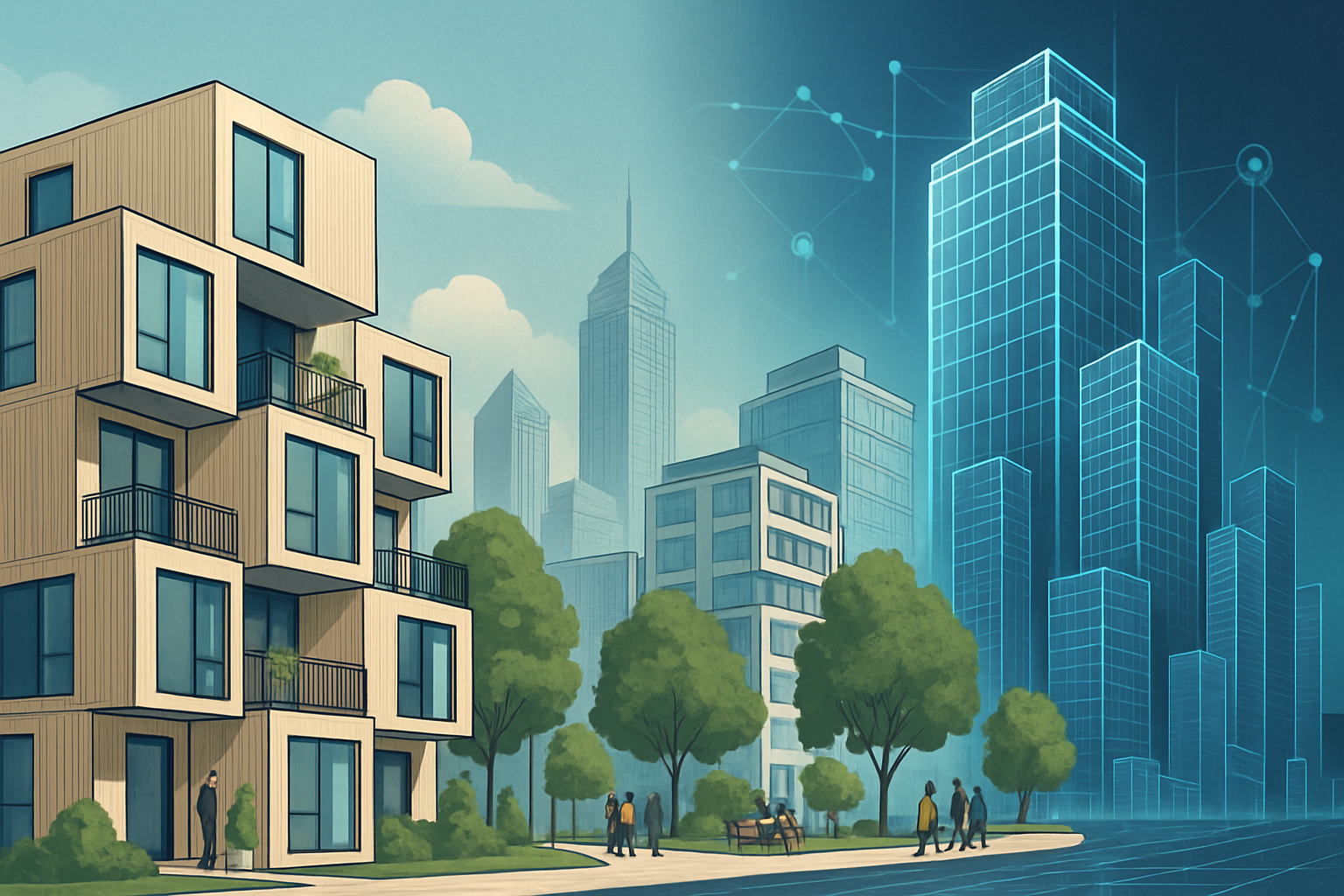
Housing affordability remains a critical concern. Modular prefabrication, micro-apartment prototypes, and co-housing models offer cost-effective alternatives to conventional builds. Developers collaborate with non-profit housing groups to secure long-term affordability covenants, ensuring that new units serve diverse income brackets. Mixed-use towers integrate retail at ground level, office space on lower floors, and residential units above-creating 24/7 street life. Flexible floor plates enable easy reconfiguration as demographics shift, making buildings adaptable over decades.
Smart city initiatives rely on sensor networks, digital twins, and predictive analytics to optimize resource use. Real-time air quality monitors guide green buffer placement, while heat-mapping data influences building orientation and material selection. Traffic flow analyses help planners adjust signal timing and expand pedestrian zones. Digital twins-virtual replicas of physical districts-enable scenario testing, from emergency evacuations to crowd management at festivals. Data-driven insights improve maintenance schedules for infrastructure, extending the life of roads, bridges, and utility networks.
Innovative financing mechanisms-such as green bonds, value capture models, and impact investing-are unlocking funds for large-scale interventions. Value capture harnesses the uplift in land prices created by new transit lines or parks; a portion of that increase is reinvested in infrastructure. Public-private partnerships spread risk and pool expertise, while community land trusts preserve affordability. Zoning reforms, like inclusionary requirements or form-based codes, provide the regulatory framework for sustainable, mixed-income neighborhoods.
In a mid-sized region undergoing industrial decline, the Eastwood Redevelopment Project repurposed a 20-acre brownfield into a multifaceted district with housing, offices, and green space. Retaining historic facades, the design inserted new structures that frame communal courtyards planted with native species. A digital platform invited residents to vote on public art installations and amenity choices. Bike lanes connect to adjacent districts, and an electric shuttle circuit links to the nearest light rail station. Early evaluations report a 30 percent increase in pedestrian activity and a significant boost to local retail revenues.
To apply these concepts, practitioners can rely on modular toolkits that include GIS mapping templates, sustainable materials catalogs, and participatory workshop guides. Open-source software for solar access studies and daylight analysis helps teams refine building forms before construction begins. Checklists for environmental certifications-such as urban biodiversity or water neutrality-ensure that sustainability targets remain front and center throughout project delivery.
As urban populations continue to grow, the interplay of technology, ecology, and community will define successful projects. Modular construction techniques promise faster builds with less waste, while AI-assisted design tools optimize resource use. Climate adaptation strategies-like floodable public plazas and heat-reflective materials-will become standard. Yet the most enduring legacy will come from inclusive processes that weave resident voices into every decision. When people feel connected to the places they inhabit, cities become more than collections of buildings-they become living, evolving ecosystems that reflect collective aspirations.
The future of cities hinges on our ability to innovate across multiple fronts simultaneously: sustainable infrastructure, social equity, economic vitality, and technological fluency. By embracing green corridors, adaptive reuse, community engagement, and data-driven planning, urban environments can transform from static backdrops into dynamic platforms for human flourishing. Planners and architects now have a growing arsenal of tools, funding models, and participatory frameworks at their disposal. The challenge is to integrate these elements thoughtfully, balancing ambition with pragmatism, and ensuring that every resident benefits from the city’s next chapter.