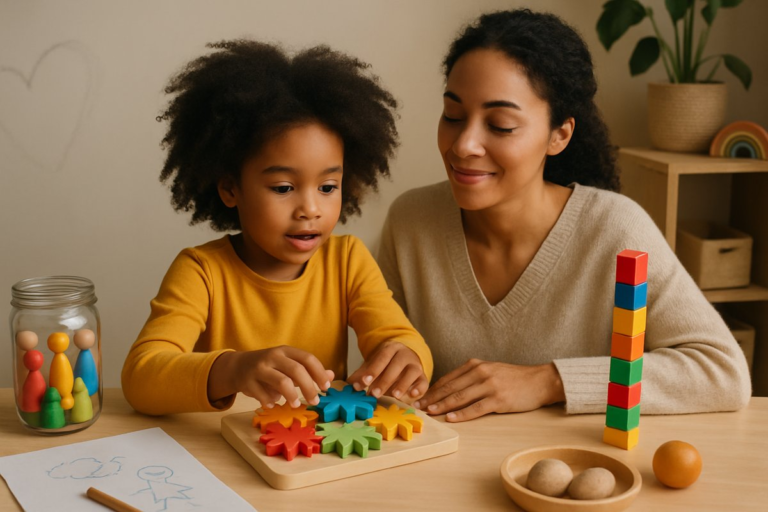
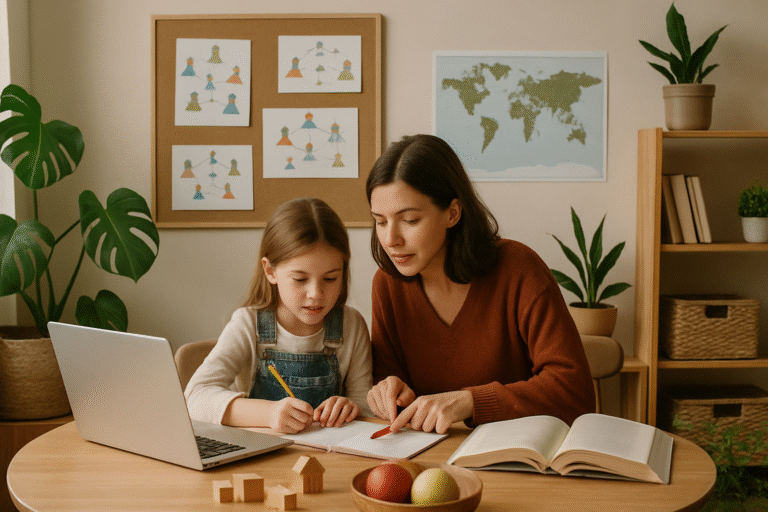
In today’s rapidly changing world, parents face the dual challenge of guiding their children through formal schooling while nurturing critical life skills at home. From setting up distraction-free study spots to modeling a growth mindset, there are concrete ways to weave education seamlessly into daily life. This article offers evidence-based tips and real-world examples to help families create a balanced, engaging learning environment.
Creating a Supportive Home Learning Environment
A dedicated space for homework and creative projects can transform the way children engage with learning. Start by choosing a quiet corner of the house with good natural light. A sturdy desk or table, an ergonomic chair, and easy access to supplies-paper, pens, colored pencils-are essential. Consider these guidelines:
- Minimize clutter. Use open bins or labeled baskets for art supplies, flashcards, and reference books. When everything has its place, children can focus on tasks instead of hunting for materials.
- Personalize the space. Encourage kids to display their artwork, inspirational quotes, or a rotating list of goals. Ownership over their study area boosts motivation.
- Add adjustable lighting. Task lamps with dimming features help avoid eye strain during evening homework sessions.
- Keep digital devices in check. If screens are necessary for research or assignments, use a separate tablet or laptop stand to maintain posture and reduce distractions from unrelated apps.
These simple adjustments send the message that learning is valued and that focus is protected. Over time, children associate their designated corner with productivity and creativity.
Encouraging Lifelong Learning and Curiosity
Beyond school subjects, fostering intellectual curiosity turns education into a lifelong journey. Parents can adopt these practices:
- Model enthusiastic reading habits. Share your own books-fiction, biographies, or how-to manuals-and discuss insights over mealtime. Seeing a parent engrossed in a good read conveys that learning is enjoyable and rewarding.
- Turn outings into learning adventures. Nature trails, science centers, and historic sites offer hands-on experiences. Prepare a simple checklist of observations-leaf shapes, architectural styles, or animal tracks-to sharpen children’s attention to detail.
- Introduce passion projects. Whether planting a small garden, researching family history, or coding a simple game, a long-term endeavor teaches planning, perseverance, and self-directed study.
- Celebrate questions. Instead of brushing off ”Why does the sky turn pink at sunset?” grab a smartphone or reference book and explore the answer together. This approach empowers children to seek knowledge proactively.
By weaving curiosity into everyday moments, parents demonstrate that learning doesn’t stop at the classroom door.
Balancing Screen Time with Intentional Tech Use
Digital tools and online platforms can enrich education when used thoughtfully. Yet unmanaged screen time risks distraction and fatigue. Here’s how to find balance:
- Create a family tech contract. Outline acceptable hours, device-free zones (like the dining table), and priorities (homework first, then leisure apps).
- Leverage educational apps with clear learning objectives. Puzzle games that build math skills, interactive maps for geography, and language apps with speech recognition can support school lessons.
- Schedule ”unplugged windows.” Block out at least one hour each evening for board games, outdoor play, or art, ensuring children engage in multisensory activities.
- Use screen timers and parental controls where needed. Many operating systems and routers offer built-in tools to enforce limits without nagging reminders.
- Review online behavior together. Discuss digital citizenship, privacy, and respectful communication to encourage safe, ethical tech use.
Combining structured digital access with analog play cultivates well-rounded learners who can navigate both virtual and real-world challenges.
Promoting Collaborative Learning and Open Communication
Education thrives on dialogue-between parents, teachers, and children themselves. A collaborative approach ensures everyone contributes to a child’s success:
- Schedule regular check-ins. A weekly 15-minute sit-down to review grades, upcoming projects, and emotional well-being keeps you attuned to your child’s needs.
- Engage with teachers. Attend parent-teacher meetings, ask about class dynamics, and seek tailored strategies if your child struggles with certain subjects.
- Encourage peer learning. Host small study groups at home or connect kids virtually for joint problem-solving sessions. Explaining concepts to friends reinforces understanding.
- Celebrate milestones-big or small. A positive reaction to completed assignments or improved test scores boosts confidence and reinforces effort over perfection.
Open communication creates a safety net where children feel supported, not pressured, and parents stay informed to lend help at the right moments.
Cultivating Emotional Intelligence in the Learning Process
Successful learners manage both their cognitive tasks and their emotions. Integrating emotional intelligence into education fosters resilience and adaptability:
- Practice mindfulness techniques. Simple breathing exercises or 2-minute body scans before homework can help children regulate stress and improve focus.
- Teach self-talk. When frustration arises-say, during a challenging math problem-kids can learn to say, ”I haven’t got it yet, but I’m on the right track,” shifting from a fixed mindset to a growth mindset.
- Role-play real-life scenarios. If a group presentation causes anxiety, rehearse it at home with family members acting as the audience. Feedback in a low-stakes setting builds communication skills.
- Normalize setbacks. Share stories of historical figures or scientists who struggled before succeeding. Understanding that failure is part of learning reduces fear of making mistakes.
Emotional intelligence strategies help children navigate academic setbacks and interpersonal challenges with empathy and self-awareness.
The Big Picture
Parenting in the realm of education involves more than overseeing homework. It requires creating environments that spark curiosity, setting boundaries that keep tech in check, and fostering emotional resilience. By combining structured routines with open communication and mindful practices, families can guide children toward lifelong learning and confident self-expression. These practical strategies serve as building blocks for a nurturing home ecosystem where education and personal growth go hand in hand.
Related Products